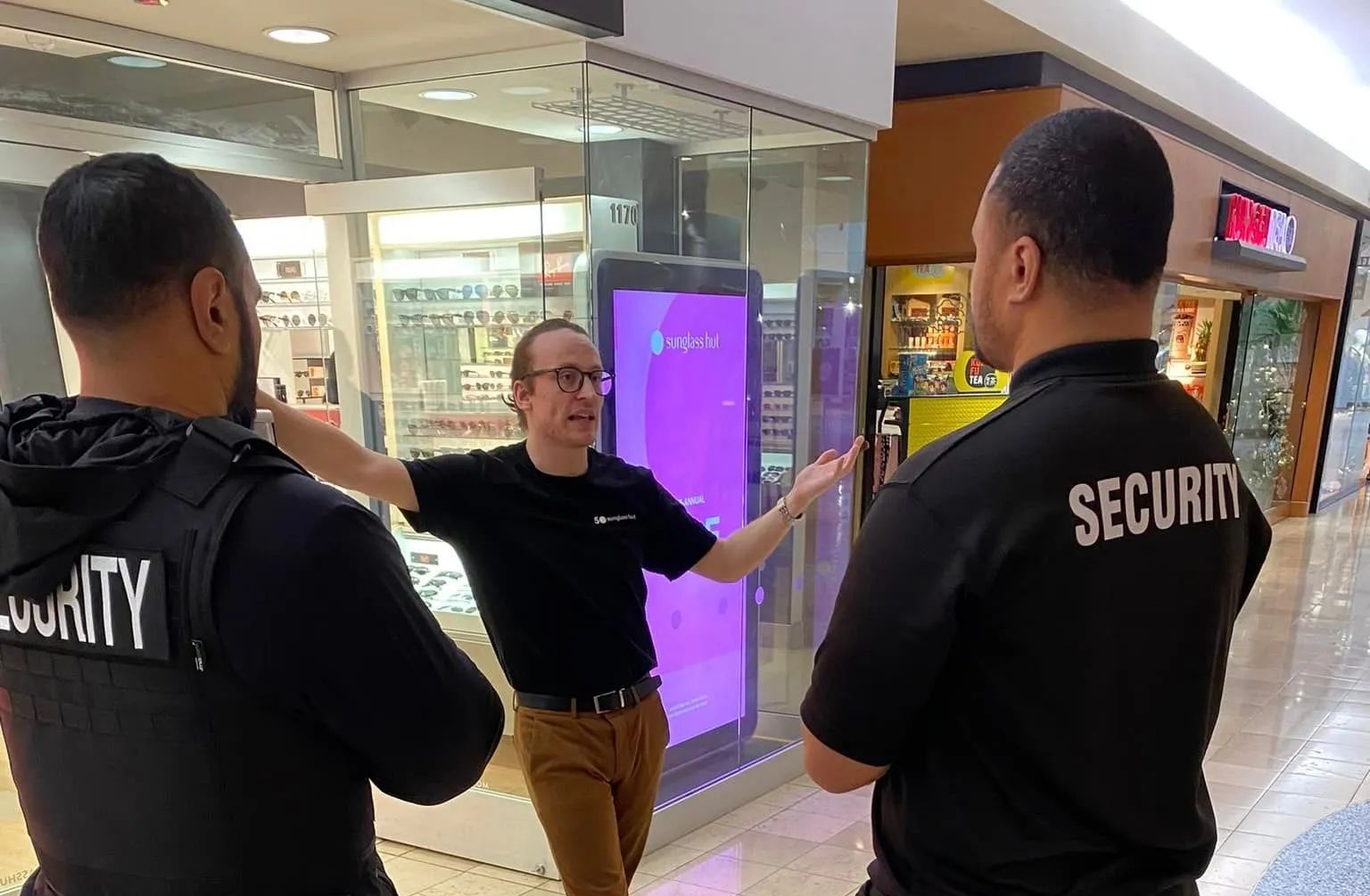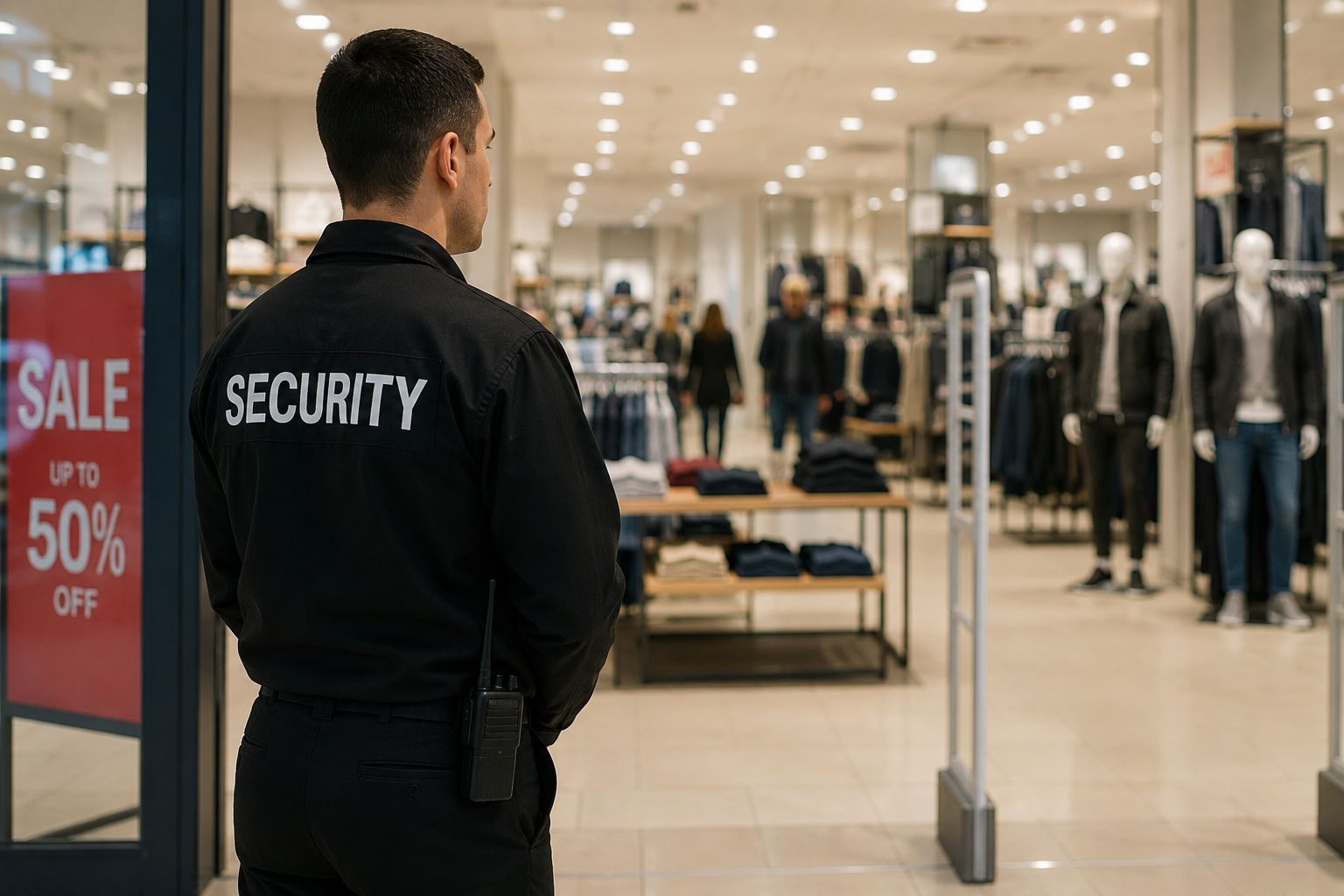
Armed vs Unarmed Retail Security Guards: Which Does Your Store Actually Need?
You know you need a guard on the floor. What you are less sure about is whether that guard should be armed, and every conversation with a security company seems to push you toward the more expensive answer before you have even described your store.
Quick Answer:
Most retail stores are well served by unarmed guards, because their job is deterrence, observation, and de-escalation rather than physical confrontation. Armed coverage becomes the right call only when a store's risk profile includes a real, elevated threat of violence, high-value assets that draw armed criminal interest, or a history of incidents that unarmed presence alone has not resolved. The decision should follow a plain read of your store's actual exposure, not a default toward the option that sounds tougher.
What a Guard's Job on Your Floor Actually Is
Before you can decide armed or unarmed, it helps to be clear about what the guard is there to do, because the two roles solve different problems and most retail theft calls for the unarmed one.
Deterrence Through Presence
The bulk of retail loss comes from opportunistic and organized shoplifting, not armed confrontation. A visible, trained guard changes the math for someone weighing whether to attempt a theft, simply by being present, watching, and positioned where the getaway would happen. That deterrent effect does not require a firearm. It requires attentiveness and positioning.
Observation And Pattern Recognition
A trained guard is reading behavior, not waiting for an incident. Repeat visits to the same case, coordinated movement between people who arrived separately, and concealment behavior are all things an observant unarmed officer can flag and act on well before anything escalates.
De-Escalation, Not Force
When a confrontation does start, the goal for almost every retail scenario is to end it without physical struggle. A calm, trained officer using verbal control, positioning, and a visible chain of command with staff and, when needed, local law enforcement resolves the overwhelming majority of incidents. Industry guidance from groups like ASIS International, which sets voluntary standards for the selection and training of private security officers, frames this kind of vetting and skills-based training as the foundation of a competent security program, independent of whether the officer carries a firearm.
The role a guard plays day to day, in other words, is mostly about presence and judgment. That is the case for treating unarmed coverage as the default, and reserving armed coverage for the situations that actually call for it.
When Unarmed Coverage Is the Right Fit
For the majority of retail environments, an unarmed guard is not a compromise. It is the tool built for the job.
General Merchandise And Mid-Value Goods
If your store sells apparel, home goods, groceries, or general merchandise, the theft you are dealing with is almost always concealment and grab-and-go rather than an armed robbery attempt. An unarmed officer trained to spot the behavior and hold a visible position at the door addresses that risk directly.
Customer-Facing Environments
Retail is a service business first. An unarmed guard can greet shoppers, answer directions, and maintain an approachable presence that reassures customers rather than making them uneasy. A firearm on a guard's hip changes the tone of a sales floor even when it is never touched, and for boutiques, malls, grocery stores, and most specialty retail, that tone matters to the shopping experience you are trying to protect.
Lower Incident Severity
If your store's history is shoplifting, disorderly behavior, occasional shoplifter confrontations, or trespassing, none of that calls for armed response. It calls for a trained presence that can observe, intervene verbally, document, and coordinate with police when something rises above what a guard should handle alone.
Cost And Staffing Flexibility
Unarmed officers are more widely available and easier to schedule across shifts, which matters if your coverage needs to flex with your slow and peak periods, seasonal traffic, or multiple locations.
When Armed Coverage Becomes the Right Call
Armed coverage is not about looking tougher. It exists for a narrower set of situations where the actual risk profile includes a credible threat that unarmed presence and de-escalation are not built to answer.
High-Value, High-Target Merchandise
Jewelry stores, cannabis dispensaries, pharmacies handling controlled substances, and stores holding significant cash on-site draw a different category of criminal interest, including individuals who may already be armed or willing to use force. In those environments, the calculus around coverage changes.
A Documented History Of Violent Incidents
If your store or a comparable location in your area has experienced armed robbery, assault, or other violent crime, that history is real information about your risk level. Unarmed deterrence has a ceiling, and a location with a pattern of violent activity may need coverage matched to that pattern.
Locations In Higher-Crime Areas Or Isolated Settings
A store in an area with elevated violent crime rates, or one with limited visibility from the street, limited staff, or late operating hours, carries a different exposure than a well-lit retail corridor with steady foot traffic. Isolation and low visibility both raise the stakes of any confrontation that does occur.
Specific Direction Based On A Security Assessment
The clearest way to know whether armed coverage fits your store is a walkthrough that looks at your merchandise value, your location, your operating hours, and your incident history together, rather than guessing from any single factor in isolation.
None of this means armed coverage is an escalation to reach for by default. It means matching the tool to a specific, identifiable risk rather than assuming more force equals more safety.
The Trade-Offs You Are Actually Weighing
Every choice here involves trade-offs, and being clear-eyed about them makes the decision easier.
Presence And Tone
Unarmed guards tend to read as approachable and service-oriented. Armed guards read as a more serious signal, appropriate in environments where that seriousness matches the real risk, but potentially at odds with the atmosphere a boutique or family-oriented store is trying to maintain.
Training And Role Fit
Armed officers require a different and more rigorous level of vetting, firearms qualification, and use-of-force training than unarmed roles, because the stakes of any misjudgment are categorically higher. That is not a reason to avoid armed coverage when it is truly needed. It is a reason to make sure any armed officer on your floor has been through that level of preparation, not just handed a badge and a firearm.
Scope Of The Guard's Actual Job
An armed guard is still, in nearly every retail placement, doing the same deterrence, observation, and de-escalation work as an unarmed one day to day. The firearm is a last-resort capability for a narrow set of circumstances, not the primary tool for handling a typical shoplifting incident.
Matching Coverage to Your Store's Real Exposure
The most useful exercise is to walk your own store the way a risk assessment would, rather than starting from what a security company defaults to selling.
Start with what you carry. High-value, easily resold merchandise held in significant quantity or cash on-site pushes you toward considering armed coverage. General merchandise at typical retail value points you toward unarmed.
Look at your incident history in plain terms. Shoplifting and disorderly conduct call for unarmed presence and de-escalation. A pattern of violent crime, robbery attempts, or credible threats is a different category of problem.
Factor in your location and hours. A store in a well-trafficked, well-lit corridor during standard business hours carries less inherent risk than one operating late into the night in an isolated setting or an area with a documented history of violent crime.
Tip: Pull your own incident reports and any police reports tied to your address or shopping center over the last twelve months before you have the armed-versus-unarmed conversation. A short, factual history like that tells you more about your actual risk than any general industry statistic, and it gives your security provider something concrete to plan coverage around instead of a guess.
Consider what your staff and customers need day to day. If de-escalation, customer assistance, and a welcoming presence matter as much as deterrence, unarmed coverage usually serves both goals better.
Why This Should Be a Guided Decision, Not a Default
Retail theft has grown more organized in recent years. Industry data from the National Retail Federation shows retailers reporting increases in repeat offender activity and organized retail crime, much of it driven by structured groups working roles like theft, fencing, and resale rather than a single opportunistic shoplifter. That trend has pushed some stores toward assuming armed coverage is the stronger answer across the board.
It usually is not. Organized retail crime is built around avoiding confrontation and moving fast, which is exactly the profile that visible, trained unarmed presence and sharp observation are built to disrupt. Armed coverage answers a different question, the one about credible violence risk, not the one about coordinated shoplifting.
Warning: Do not default to armed guards simply because a location nearby uses them, or because a sales conversation frames armed coverage as the safer choice by definition. Placing an armed officer in an environment that does not call for it introduces liability and tone problems without solving a risk that was never actually present, and it can make your customers and staff less comfortable rather than more secure. The right coverage should come from an honest read of your store, not from matching a neighbor's setup.
The decision that holds up is the one grounded in your merchandise, your incident history, your location, and your hours, reviewed together rather than picked apart one factor at a time.
Frequently Asked Questions
Is armed security always more effective at preventing theft?
No. Most retail theft is deterred through visible presence, positioning, observation, and awareness. Armed guards are generally better suited to environments facing credible violence risks or protecting particularly high-value assets.
Can I mix armed and unarmed coverage at the same location?
Yes. Stores can combine unarmed guards for customer interaction, observation, and routine deterrence with armed officers assigned to high-value areas, overnight shifts, or locations where greater security risks are present.
Does having an armed guard make my customers feel less safe?
It can. Armed guards may feel unnecessary in family-oriented stores or boutiques, while customers at jewelry stores, dispensaries, cash-heavy businesses, and other higher-risk locations may expect stronger visible security measures.
How do I know if my store's risk level has changed enough to reconsider coverage?
Review your coverage when incidents become more frequent or severe, credible threats emerge, nearby violent crime increases, merchandise changes, or operating hours extend into periods that create greater security risks.
What questions should I ask a security provider about their armed officers?
Ask about firearms qualifications, requalification schedules, use-of-force policies, background checks, officer vetting, and training. Also ask how they determine whether armed security is appropriate for your store’s specific risk profile.
Choosing Security That Fits Your Retail Environment
The right retail security plan is not defined by whether an officer carries a firearm, but by how well the coverage matches the risks your store actually faces. Merchandise value, operating hours, customer traffic, location, and past incidents all help determine the appropriate level of protection. With 20 years of experience throughout Beaverton, Oregon, Elite Protection Services understands how these factors work together and why effective security begins with choosing officers suited to the environment.
For many stores, trained unarmed guards provide the visibility, observation, and de-escalation needed to maintain a secure, comfortable atmosphere. Locations facing credible threats of violence or greater exposure may require armed coverage or a carefully planned combination of both. What matters is avoiding a one-size-fits-all approach. When security reflects the store's actual conditions, guards can protect employees, customers, merchandise, and daily operations without creating an unnecessary presence or introducing measures that do not fit the risks involved.