Fire Watch Guards vs. Automated Fire Systems: Understanding the Difference
Fire protection remains one of the most important responsibilities for property owners, facility managers, contractors, and business operators. Whether managing a commercial building, construction site, industrial facility, retail store, or residential complex, safeguarding people and property from fire-related risks requires a comprehensive approach. Modern fire safety strategies typically involve a combination of technology, procedures, and trained personnel working together to identify hazards, respond to emergencies, and reduce the potential for devastating losses. As fire risks continue to evolve, many organizations find themselves comparing fire watch guards and automated fire systems to determine which solution best meets their safety requirements.
While both approaches serve critical roles in fire prevention and emergency response, they are fundamentally different in purpose, capabilities, and application. Automated fire systems provide continuous technological monitoring and suppression functions, while fire watch guards offer active human oversight, situational awareness, and immediate decision-making during high-risk situations. Understanding how each option works—and when each is necessary—helps organizations remain compliant, reduce liability, and strengthen overall fire protection efforts. By examining the strengths, limitations, and ideal uses of both solutions, property owners can make informed decisions that support safer environments and stronger emergency preparedness plans.
Understanding the Role of Fire Watch Guards
What Fire Watch Guards Do
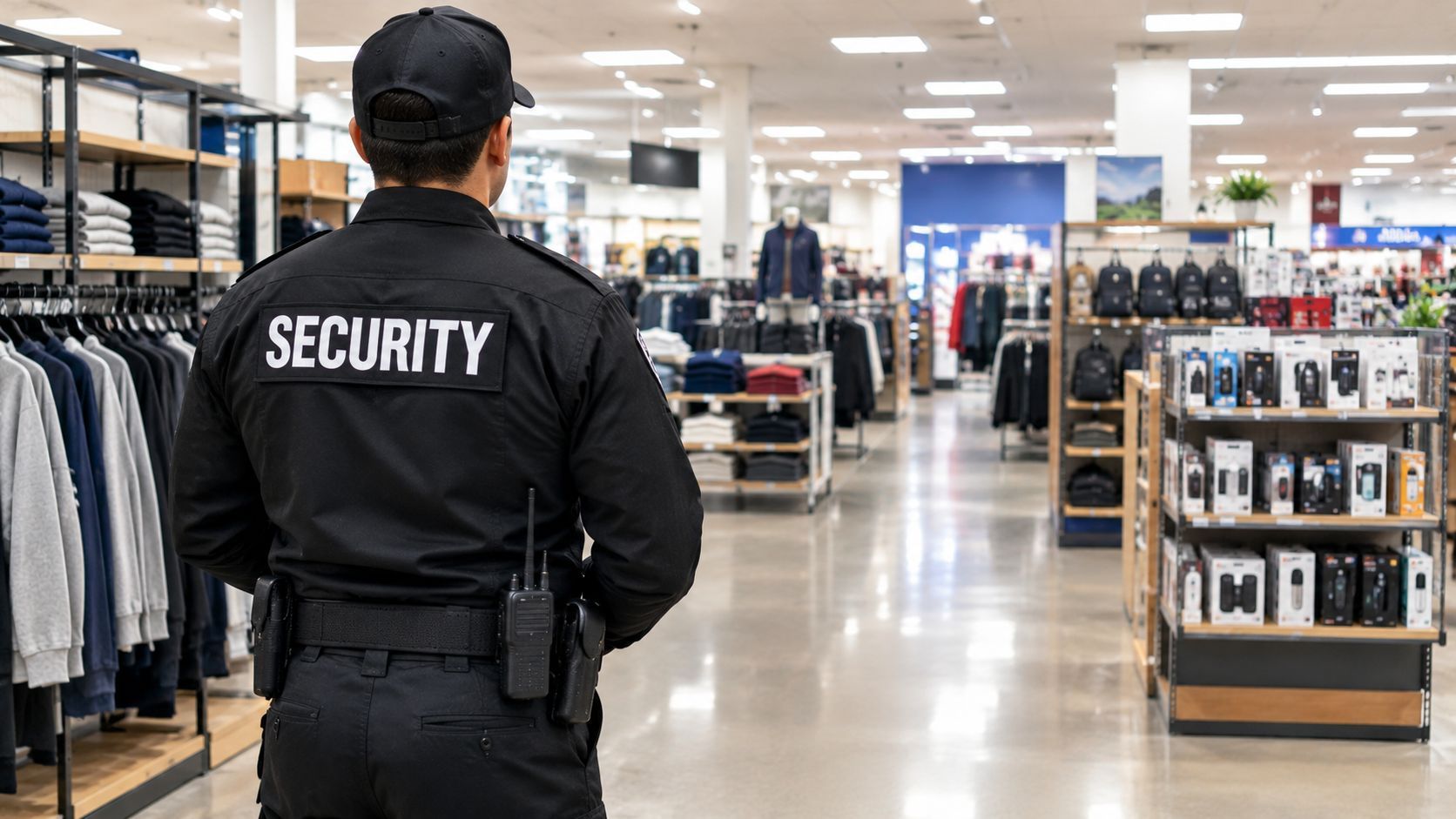
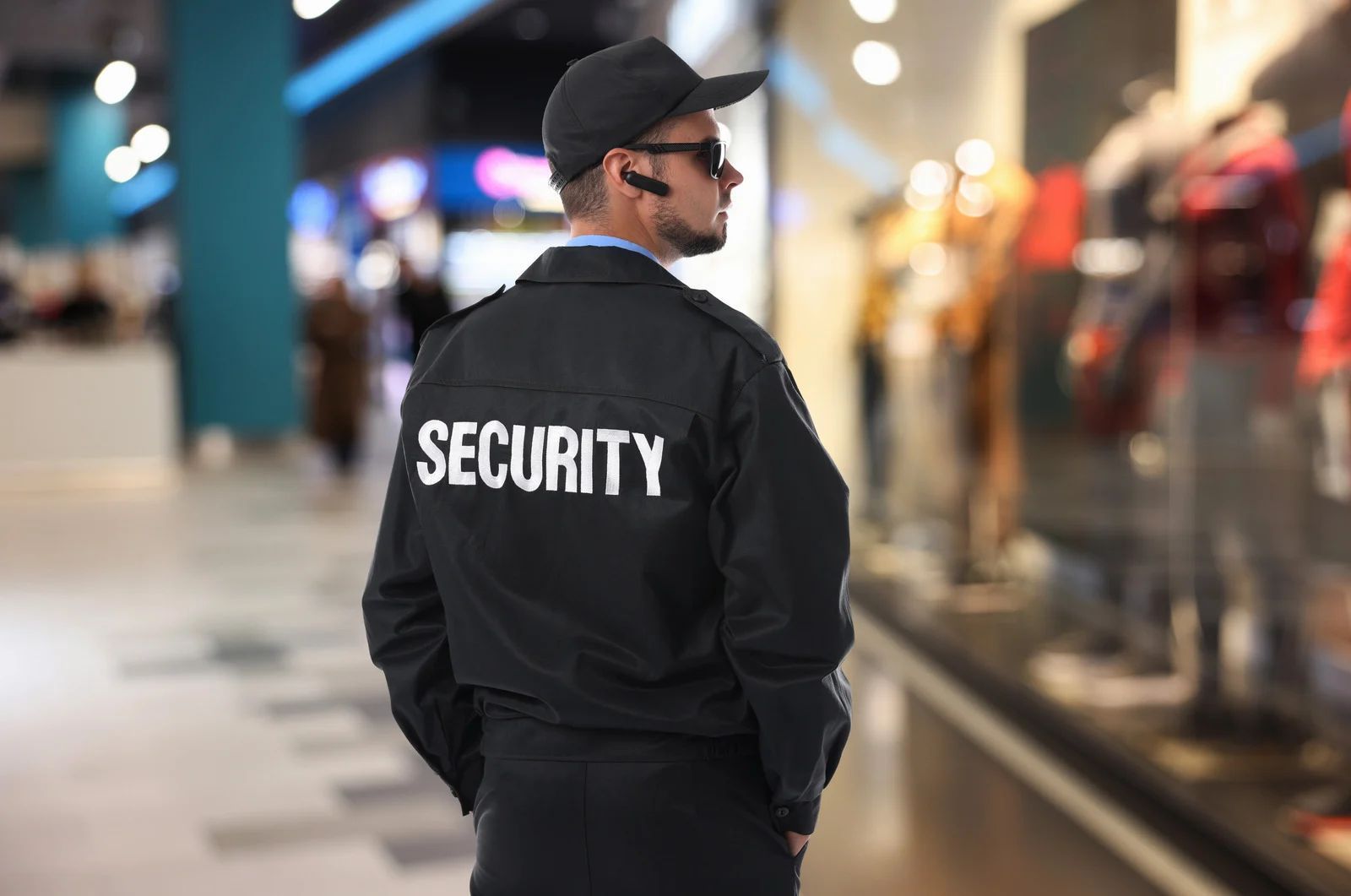
Fire watch guards are trained security professionals assigned to monitor properties for fire hazards, identify unsafe conditions, and respond quickly when potential threats emerge. Unlike automated systems, fire watch personnel actively patrol designated areas, observe changing conditions, and maintain detailed records of inspections and observations.
Fire watch services are commonly required when fire alarm systems, sprinkler systems, or other fire protection equipment become temporarily unavailable. During these situations, trained personnel provide continuous monitoring to reduce risks until permanent systems are restored.
Situations That Require Fire Watch Services
Many facilities require fire watch services under specific circumstances, including:
- Fire alarm system failures
- Sprinkler system outages
- Construction and renovation projects
- Welding and hot work operations
- High-risk industrial activities
- Events with large public gatherings
- Temporary code compliance requirements
For example, if a commercial building experiences a sprinkler system malfunction, local fire authorities may require continuous fire watch coverage until repairs are completed. In such situations, human monitoring serves as a critical layer of protection.
Advantages of Human Observation
One of the greatest strengths of fire watch guards is their ability to assess situations in real time. Guards can identify unusual smells, visible smoke, blocked exits, unsafe equipment usage, or hazardous behaviors that automated systems may not detect immediately.
Human judgment allows fire watch personnel to adapt to changing conditions and take appropriate action before a situation escalates into a major emergency.
Understanding Automated Fire Systems
How Automated Fire Systems Work
Automated fire systems use technology to detect, alert, and sometimes suppress fires without requiring constant human intervention. These systems typically include smoke detectors, heat detectors, fire alarms, sprinkler systems, monitoring panels, and emergency notification devices.
When a detector identifies signs of fire, the system automatically triggers alarms and may activate suppression equipment designed to control or extinguish the fire.
Common Components of Automated Fire Protection
Modern fire protection systems often include:
- Smoke detection devices
- Heat sensors
- Sprinkler networks
- Fire alarm panels
- Emergency communication systems
- Remote monitoring services
- Fire suppression equipment
These components work together to create an integrated fire protection framework that operates around the clock.
Benefits of Automation
Automated systems offer continuous monitoring without interruption. Unlike human personnel who require breaks and shift changes, technology operates twenty-four hours a day.
Additional benefits include:
- Rapid fire detection
- Immediate alarm activation
- Consistent monitoring
- Reduced response delays
- Integration with emergency systems
- Compliance with building safety codes
For many facilities, automated fire protection serves as the foundation of a comprehensive fire safety strategy.
Key Differences Between Fire Watch Guards and Automated Fire Systems
Human Judgment vs. Technology
The most significant difference lies in how each solution identifies and responds to risks.
Automated systems rely on sensors, programming, and predefined thresholds. They perform exceptionally well when detecting smoke, heat, or fire-related conditions that fall within system parameters.
Fire watch guards rely on training, observation, and experience. They can identify risks that may not trigger sensors, including unsafe storage practices, blocked evacuation routes, combustible material accumulation, or suspicious activities.
Active Patrols vs. Fixed Monitoring
Automated systems monitor specific areas where sensors are installed. Their coverage is limited to the capabilities and placement of detection devices.
Fire watch guards actively move throughout a property, inspecting areas that may not be fully covered by technology. Patrols can adapt based on changing conditions, construction activities, or emerging hazards.
Response Capabilities
Automated systems can activate alarms instantly, but they cannot physically intervene beyond programmed actions.
Fire watch personnel can:
- Notify emergency responders
- Direct evacuations
- Assist occupants
- Investigate hazards
- Document incidents
- Coordinate emergency procedures
This human response capability often proves valuable during complex emergencies.
When Fire Watch Guards Are the Better Choice
During System Failures
One of the most common reasons organizations hire fire watch guards is when fire protection systems become temporarily unavailable.
For example, if a fire alarm panel undergoes maintenance or sprinkler repairs require system shutdown, building owners may need trained personnel to monitor the property continuously.
Construction and Renovation Environments
Construction sites present unique fire risks. Welding, cutting, grinding, and electrical work create conditions that can increase the likelihood of fire incidents.
Because construction environments change daily, automated systems may not provide sufficient coverage. Fire watch guards can monitor work zones, identify emerging hazards, and ensure safety procedures are followed.
High-Risk Operations
Industrial facilities, manufacturing plants, and specialized operations often involve activities that require direct human supervision.
Fire watch personnel can assess evolving risks, monitor hazardous processes, and take immediate action when dangerous conditions develop.
Temporary Safety Requirements
Certain situations require temporary fire protection solutions. Large public events, system upgrades, or facility modifications may create periods where additional monitoring is necessary.
In these scenarios, fire watch services provide flexible protection tailored to the specific environment.
When Automated Fire Systems Are the Better Choice
Long-Term Fire Protection
Automated systems are designed for permanent fire protection. Once installed and maintained properly, they provide reliable monitoring for years.
For most commercial properties, automated fire systems remain essential for meeting building code requirements and maintaining continuous fire safety coverage.
Large Facilities and Multi-Story Buildings
Large structures benefit significantly from automated detection technology. Hundreds of sensors can monitor extensive areas simultaneously, providing broad coverage that would be difficult for personnel alone to achieve.
This capability is particularly important in hospitals, schools, office complexes, warehouses, and retail centers.
Immediate Detection and Alerts
Speed matters during fire emergencies. Automated systems can detect smoke or heat within seconds and activate alarms immediately.
Early detection reduces response times and increases the likelihood of successful evacuation and fire containment.
Cost Efficiency Over Time
Although installation costs can be substantial, automated systems often provide long-term value by delivering continuous monitoring without ongoing staffing expenses.
For facilities requiring permanent protection, automation offers a practical and scalable solution.
Why the Best Fire Protection Strategy Often Uses Both
Combining Human Expertise and Technology
Many organizations mistakenly view fire watch guards and automated fire systems as competing solutions. In reality, the strongest fire protection programs often combine both approaches.
Technology provides continuous detection and notification capabilities, while trained personnel offer judgment, adaptability, and direct intervention.
Layered Risk Management
A layered safety strategy helps address vulnerabilities that may exist when relying on a single method.
For example:
- Automated systems detect smoke and heat.
- Fire watch guards identify unsafe behaviors.
- Technology activates alarms.
- Personnel assist with evacuation.
- Systems monitor fixed locations.
- Guards inspect changing environments.
Together, these capabilities create stronger overall protection.
Supporting Compliance and Emergency Preparedness
Many regulatory authorities recognize the value of combining technology with trained personnel during elevated-risk situations.
Organizations that implement layered fire protection often experience improved preparedness, stronger compliance outcomes, and greater confidence during emergencies.
Best Practices for Maximum Protection
To maximize fire safety:
- Maintain fire protection equipment regularly.
- Conduct routine fire risk assessments.
- Train personnel on emergency procedures.
- Implement fire watch coverage when required.
- Address hazards promptly.
- Review compliance requirements frequently.
- Develop comprehensive emergency response plans.
These practices help strengthen protection regardless of facility type or industry.
Experienced Fire Watch Specialists Protecting Your Operations
When dependable fire watch coverage is required, Elite Protection Services provides professional security solutions built on more than 20 years of industry experience. As a trusted security guard service provider serving Beaverton, Oregon, we understand the critical role fire watch personnel play in protecting people, property, and business operations during system outages, construction projects, and other high-risk situations.
Our approach focuses on proactive monitoring, detailed reporting, regulatory compliance, and rapid response when potential hazards arise. We provide trained fire watch guards who remain vigilant while conducting patrols, identifying safety concerns, and helping maintain a secure environment. Through extensive experience in security services, we recognize that effective fire protection requires attention to detail, strong communication, and a commitment to safety at every level.
Whether temporary fire watch coverage is needed because of equipment failures, ongoing maintenance, or elevated operational risks, we deliver dependable support designed to help organizations meet safety requirements and reduce exposure to fire-related incidents. Our commitment to professionalism, accountability, and client-focused service has made us a reliable resource for businesses seeking trusted fire watch and security solutions throughout the region.