How Retail Security Guards Protect Inventory and Improve Customer Safety
In today’s retail environment, businesses face a complex blend of challenges, from theft and fraud to maintaining a safe and welcoming environment for customers and staff. Retail theft alone costs the industry billions of dollars annually, with both shoplifting and employee-related theft contributing significantly to these losses. Beyond the financial impact, these incidents can disrupt store operations, damage brand reputation, and compromise the overall customer experience. As such, effective security measures are no longer optional—they are essential for the smooth functioning and long-term success of retail establishments. Retail security guards play a pivotal role in mitigating these risks, acting as both a deterrent to potential criminals and a proactive response team in critical situations.
Beyond inventory protection, security personnel enhance customer safety, ensuring that shoppers feel secure while navigating the store. Their presence fosters a sense of vigilance and order, reducing the likelihood of accidents, altercations, or other emergencies. By combining situational awareness, trained response strategies, and a strong understanding of store operations, retail security guards bridge the gap between operational efficiency and a safe, positive shopping experience. In this blog, we will explore the multifaceted ways in which retail security guards protect inventory, maintain a secure environment, and improve overall customer safety, providing actionable insights and best practices for retailers.
1. Preventing Theft and Loss
Shoplifting Deterrence
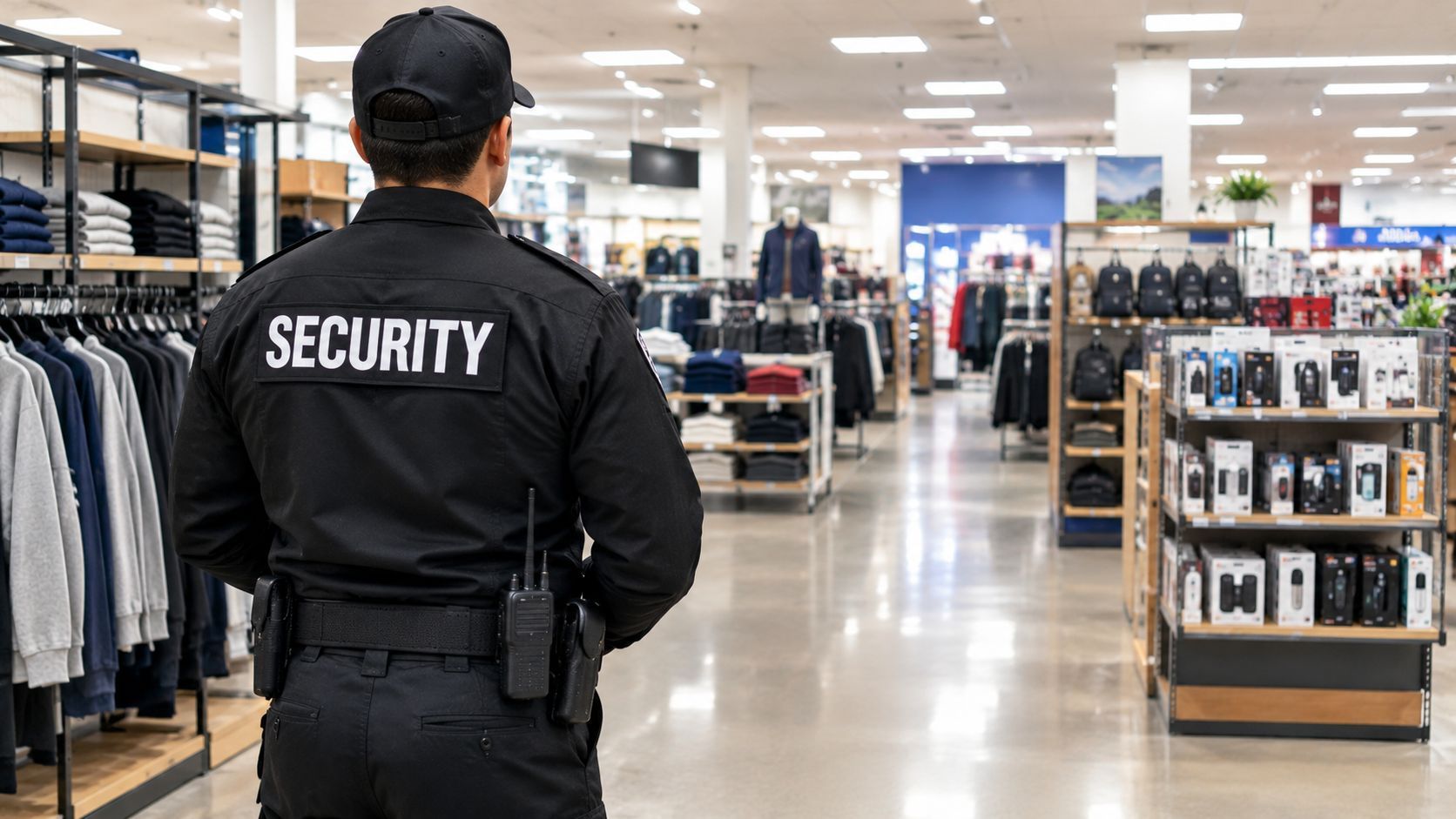
One of the primary roles of retail security guards is to prevent shoplifting. Highly visible security personnel act as a deterrent to potential thieves. When shoppers see attentive guards monitoring entrances, exits, and high-risk areas, they are less likely to attempt theft. Effective security strategies often include a combination of patrols, surveillance cameras, and uniformed presence near vulnerable sections, such as electronics or high-value items.
Employee Theft Prevention
Employee theft, or internal theft, can be as damaging as external shoplifting. Security guards are trained to recognize unusual behaviors and implement loss prevention protocols. This may include monitoring suspicious transactions, verifying inventory against sales data, and conducting discreet investigations when discrepancies arise. Proactive engagement with staff fosters accountability and reduces opportunities for theft without creating a hostile work environment.
Inventory Monitoring
Retail security guards often collaborate with inventory management systems to identify potential risks. By performing regular checks of storage areas, loading docks, and display shelves, they ensure that all stock is accounted for and properly secured. Guards may also assist in auditing procedures, ensuring compliance with security policies, and quickly addressing discrepancies before they escalate into larger issues.
Real-World Scenario
For example, in a high-end electronics store, a security guard might notice a customer lingering near a display of smartphones with unusually bulky clothing. By engaging the customer politely and maintaining presence, the guard can prevent a potential theft without confrontation. This proactive approach not only protects inventory but also maintains a positive customer experience.
2. Enhancing Customer Safety
Managing Crowd Control
Retail environments, especially during peak seasons or sales events, can become overcrowded. Security guards play a vital role in crowd management, directing foot traffic, preventing bottlenecks, and ensuring emergency exits remain accessible. This reduces the risk of accidents and ensures compliance with local safety regulations.
Responding to Emergencies
Security personnel are trained to respond to a variety of emergencies, including medical incidents, fires, and violent altercations. Their training allows them to provide immediate assistance, coordinate with emergency services, and implement evacuation procedures if necessary. This rapid response minimizes harm and maintains a safe environment for both customers and staff.
Conflict Resolution
Disputes between customers, or between customers and staff, can escalate quickly. Retail security guards are skilled in de-escalation techniques, using verbal communication and body language to calm tense situations. By intervening early, they prevent potential injuries and preserve a positive shopping atmosphere, reinforcing the perception of a secure retail environment.
Safety Audits and Risk Assessments
In addition to active monitoring, security guards often participate in safety audits and risk assessments. Identifying hazards, such as slippery floors, obstructed walkways, or malfunctioning equipment, allows stores to address these issues promptly. Regular audits contribute to long-term safety improvements and reduce liability risks for the business.
Real-World Scenario
During a Black Friday sale, a retail security guard notices a heated argument forming between two customers over limited stock. Using calm, authoritative communication, the guard separates the individuals, redirects them to different sections, and ensures that staff manage the inventory queue. The situation is resolved without injury or disruption, demonstrating the guard’s crucial role in maintaining order.
3. Integrating Technology for Security
Surveillance Systems
Modern retail security relies heavily on technology, and security guards are trained to operate and monitor surveillance systems. Closed-circuit television (CCTV) cameras allow guards to monitor multiple areas simultaneously, identifying suspicious behavior before theft occurs. Integrating live surveillance with patrols enhances coverage and ensures rapid response to incidents.
Alarm Systems and Access Control
Security personnel manage alarm systems and access control points, preventing unauthorized entry and deterring theft. Guards can monitor alarms for potential breaches, investigate disturbances, and coordinate with local law enforcement when necessary. In sensitive areas, such as stockrooms or offices, access control ensures that only authorized personnel can enter, reducing the risk of inventory loss.
Data Analytics in Loss Prevention
Retail stores increasingly use data analytics to support security measures. Security guards can utilize insights from point-of-sale systems, inventory tracking, and foot traffic patterns to anticipate theft risks. For instance, analytics may reveal that theft occurs most frequently in certain aisles or at specific times, allowing guards to adjust patrols and positioning strategically.
Real-World Scenario
In a fashion retailer, security guards combine CCTV monitoring with sales data, identifying that high-value handbags are frequently targeted near the checkout area. By positioning guards strategically and monitoring foot traffic patterns, the store significantly reduces incidents of theft, demonstrating the synergy between technology and trained personnel.
4. Supporting Staff and Operational Efficiency
Training and Awareness
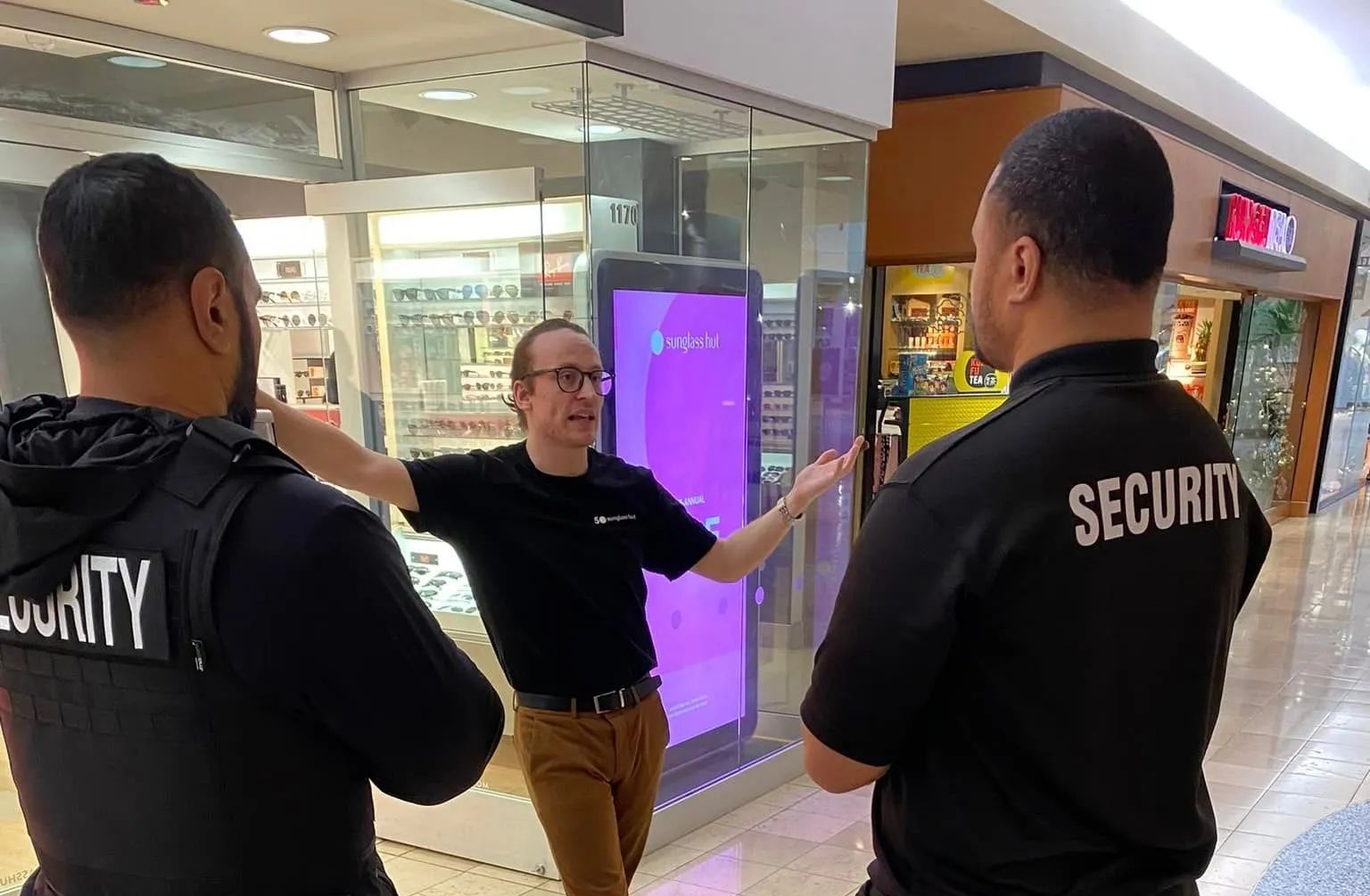
Retail security guards often collaborate with staff to provide training on loss prevention, safety protocols, and emergency response. By educating employees about potential risks and proper procedures, stores create a more vigilant and prepared workforce. Staff are better equipped to handle suspicious situations, reducing reliance solely on security personnel.
Assisting with High-Risk Tasks
Guards support operational tasks that may carry inherent risks, such as handling cash deposits, transferring inventory to storage areas, or monitoring delivery trucks. Their presence deters potential theft during these vulnerable moments, ensuring both staff and merchandise remain protected.
Monitoring Suspicious Behavior
A trained security guard can identify patterns of suspicious behavior that might be overlooked by staff focused on customer service. This includes monitoring loitering, unusual browsing, or repeated visits to high-value sections. Early intervention allows staff to maintain smooth operations while guards address potential threats discreetly.
Real-World Scenario
In a grocery store, a security guard notices an individual repeatedly moving between aisles without picking up items, a common sign of shoplifting. By observing discreetly and coordinating with floor staff, the guard intervenes at the right moment, preventing theft without alarming other customers or disrupting store operations.
5. Regulatory Compliance and Risk Management
Ensuring Legal Compliance
Retail security guards help stores comply with local safety and security regulations. This includes maintaining proper signage, monitoring occupancy limits, and ensuring fire safety measures are followed. Compliance reduces legal liability and enhances the store’s reputation as a safe and responsible business.
Incident Reporting and Documentation
Security guards maintain detailed reports of incidents, which are essential for internal audits, insurance claims, and law enforcement investigations. Accurate documentation provides accountability and helps stores improve security protocols over time.
Reducing Liability
By actively monitoring for hazards and intervening in potentially dangerous situations, security guards minimize the risk of accidents that could lead to legal claims. Their presence reassures customers and staff that the business prioritizes safety, reducing the likelihood of litigation.
Real-World Scenario
Following a slip-and-fall incident, a security guard documents the circumstances in detail, including photos and witness statements. This report supports the store’s insurance claim and demonstrates proactive risk management, protecting both the business and its patrons.
6. Creating a Positive Shopping Environment
Enhancing Customer Confidence
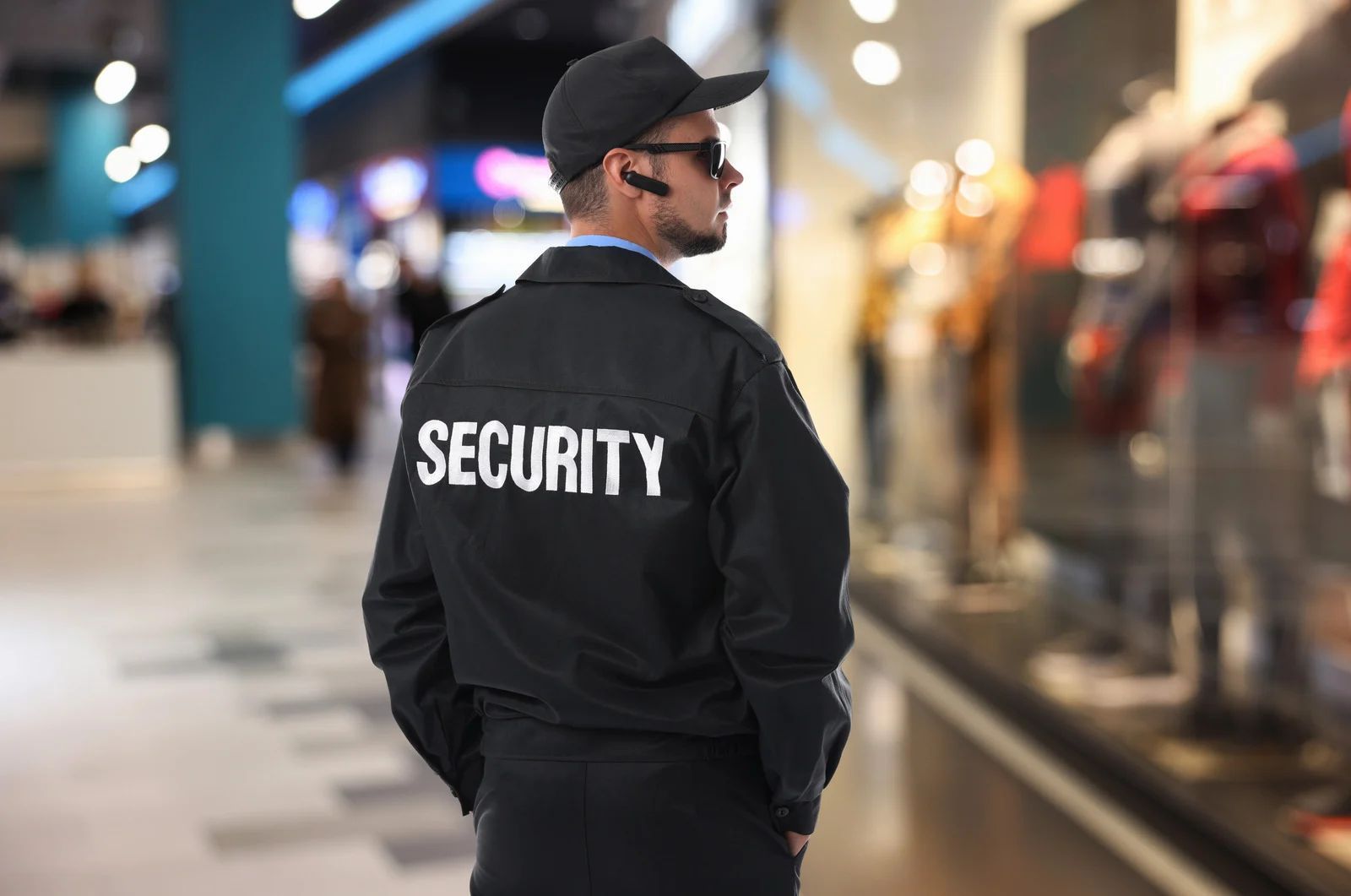
Visible security personnel make shoppers feel safer, encouraging longer visits and repeat business. Customers are more likely to engage with displays, explore high-value products, and return to stores where they perceive a secure environment.
Promoting Brand Reputation
A secure store reflects well on the brand, reinforcing trust and reliability. Retailers known for maintaining safety and preventing theft attract more customers and retain staff more effectively, contributing to overall business success.
Encouraging Staff Morale
Employees feel more confident and focused when security guards are present, knowing they have trained professionals to assist with emergencies or difficult situations. This reduces stress and improves productivity, creating a more positive workplace culture.
Real-World Scenario
In a high-traffic department store, the presence of security guards not only deters theft but also reassures families shopping with children. Staff report fewer incidents of aggressive behavior, allowing them to provide better customer service and enhancing the overall shopping experience.
Key Takeaways for Strengthening Retail Security Measures
Retail security guards are integral to protecting inventory, ensuring customer safety, and maintaining smooth store operations. Their multifaceted role includes theft prevention, emergency response, staff support, and the integration of modern security technologies. By combining vigilance, expertise, and proactive strategies, security personnel help retailers reduce losses, comply with regulations, and create a safe, welcoming environment for shoppers. Moreover, their presence boosts customer confidence and staff morale, ultimately supporting long-term business growth and a positive brand reputation.
Elite Protection Services, based in Beaverton, Oregon, brings 20
years of experience in providing
professional retail security
solutions. Our team specializes in protecting inventory, monitoring customer activity, and implementing advanced loss prevention strategies tailored to each store’s unique needs. With comprehensive training, state-of-the-art surveillance techniques, and a commitment to excellence, Elite Protection Services
ensures that both customers and staff feel safe. Retailers can trust our expertise to minimize risks, improve operational efficiency, and uphold a secure, welcoming shopping environment that reinforces confidence and loyalty among patrons.