What to Look for When Hiring a Retail Security Guard Service for Your Store
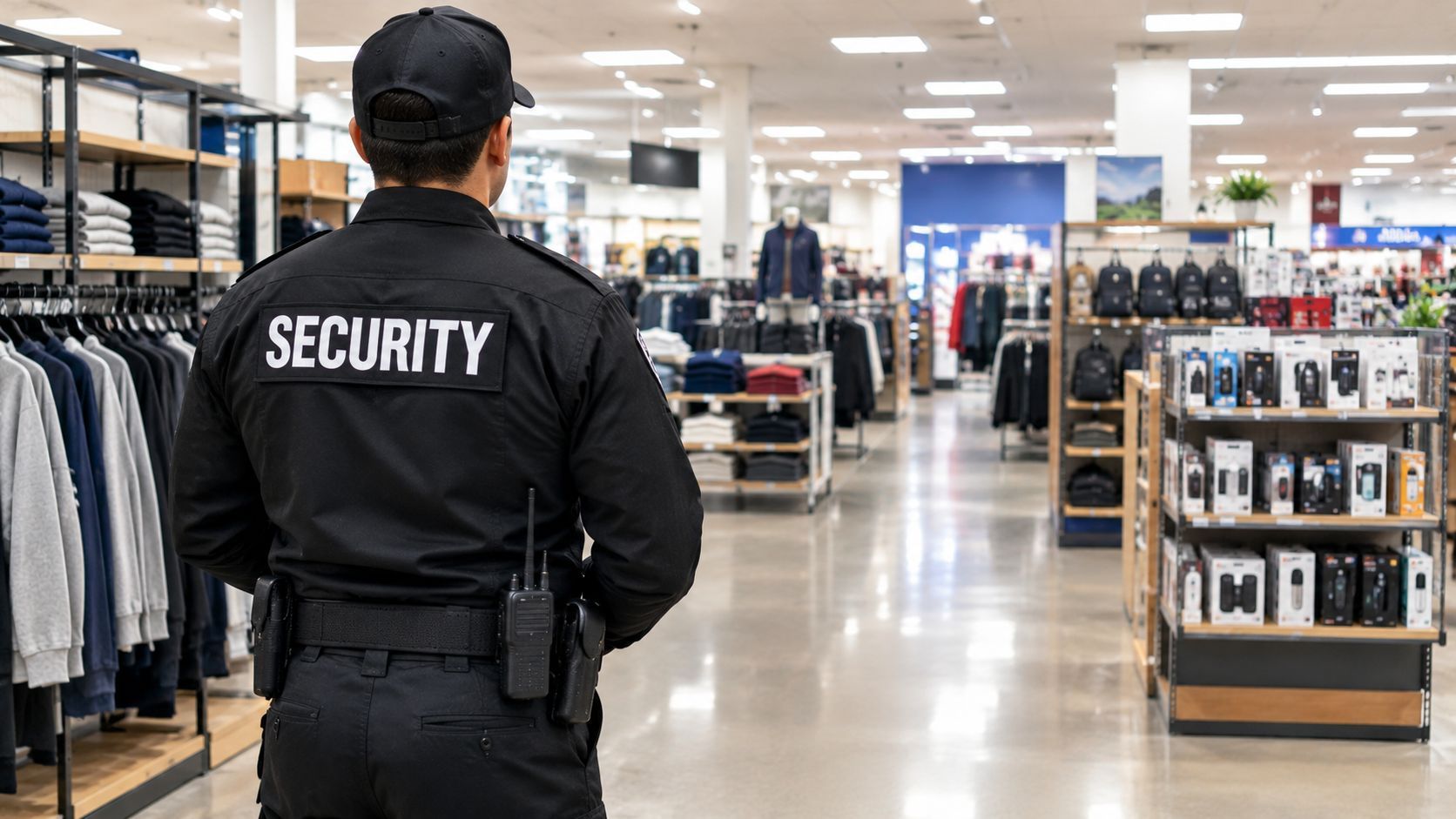
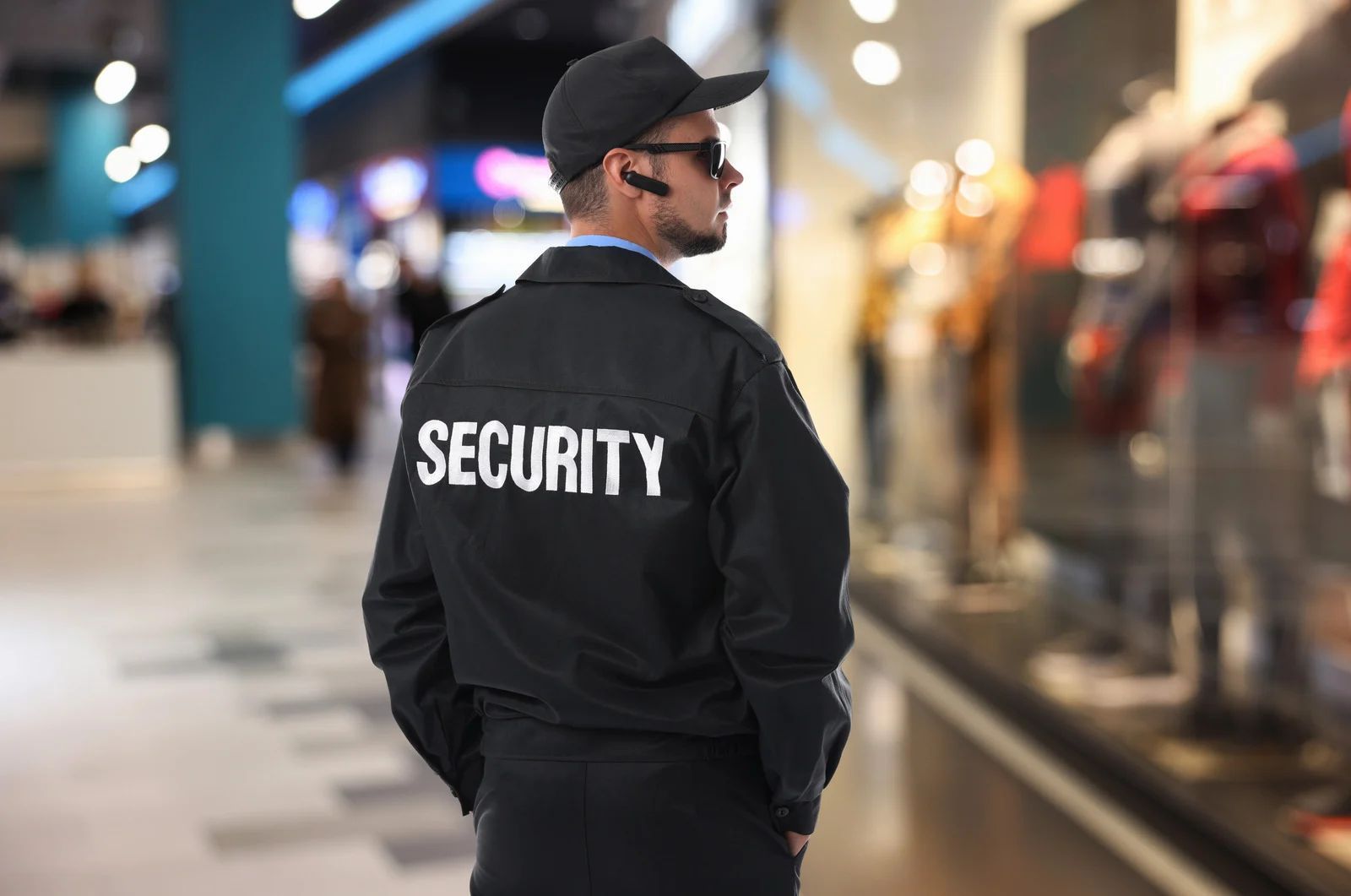
Retail businesses face a growing range of security challenges, from shoplifting and organized retail crime to employee theft, vandalism, and customer safety concerns. As retailers work to protect inventory, employees, and shoppers, the role of professional security guards has become more important than ever. While surveillance cameras, alarms, and access control systems provide valuable support, visible security personnel remain one of the most effective deterrents against criminal activity. Choosing the right retail security guard service can significantly influence loss prevention efforts, customer confidence, and overall store operations. However, not all security providers offer the same level of expertise, training, or commitment to retail-specific protection.
Store owners often focus on cost when selecting a security provider, but price alone should never be the deciding factor. A security guard service becomes a direct extension of your business, interacting with customers, responding to incidents, and representing your brand in public. Hiring the wrong provider can create operational challenges, increase liability risks, and leave security gaps that criminals may exploit. Understanding what separates a qualified retail security guard service from an average provider helps business owners make informed decisions. By evaluating experience, training standards, communication practices, and service capabilities, retailers can build a stronger security strategy that supports both safety and business success.
Understanding Your Store's Security Requirements
Identify Your Unique Risk Factors
Before hiring a retail security guard service, it is essential to understand the specific risks facing your store. Different retail environments experience different security challenges. A luxury retail location may face organized theft rings targeting high-value merchandise, while a grocery store may experience frequent shoplifting incidents and customer disputes.
Evaluating store size, inventory value, operating hours, customer traffic, and location helps determine the level of protection required. Security providers should be able to assess these factors and recommend solutions tailored to your business rather than offering generic services.
Determine Security Objectives
Clearly defining security goals allows store owners to select the right provider. Common objectives include:
- Reducing shoplifting losses
- Improving employee safety
- Managing customer conflicts
- Preventing vandalism
- Supporting emergency response procedures
- Monitoring entrances and exits
- Enhancing customer confidence
When security objectives are clearly established, it becomes easier to evaluate whether a provider has the experience and resources necessary to meet those expectations.
Consider Future Growth
Retail businesses evolve over time. Expansion, seasonal demand increases, and operational changes can alter security needs. Choosing a provider capable of scaling services ensures long-term value and reduces the need to frequently change security partners.
Evaluate Experience in Retail Security
Look for Industry-Specific Expertise
Security requirements vary significantly between industries. A provider with experience in construction security may not fully understand the challenges associated with retail environments. Retail security demands specialized knowledge related to customer interaction, loss prevention, theft detection, and conflict management.
Experienced retail security guards understand how shoplifters behave, recognize suspicious activity, and intervene appropriately while maintaining professionalism. This expertise often results in faster incident recognition and better outcomes.
Review Past Retail Assignments
Ask potential providers about previous retail clients and similar projects. Relevant experience demonstrates familiarity with common retail security concerns and reveals whether the provider has successfully handled environments similar to your own.
For example, a provider serving shopping centers, department stores, convenience stores, and specialty retailers has likely developed practical strategies for managing a wide range of situations.
Understand Local Security Challenges
Every market faces unique security threats. Security providers familiar with local crime trends can offer valuable insight into emerging risks and recommend preventive measures based on real-world observations.
Knowledge of local law enforcement procedures, crime patterns, and community concerns strengthens a provider's ability to protect retail operations.
Examine Training, Licensing, and Professional Standards
Verify Licensing and Compliance
One of the most important factors when hiring a retail security guard service is ensuring compliance with all applicable licensing requirements. Licensed guards have completed required training and meet state regulatory standards.
Store owners should confirm:
- Security company licensing
- Individual guard certifications
- Insurance coverage
- Background screening procedures
- Regulatory compliance records
These elements help reduce liability while ensuring professional service delivery.
Assess Training Programs
Security guards are often the first responders to incidents occurring within retail environments. Comprehensive training directly impacts performance during emergencies and day-to-day operations.
Strong training programs typically include:
Loss Prevention Techniques
Guards should understand theft detection methods, surveillance procedures, evidence documentation, and proper detention practices.
Conflict De-Escalation
Customer disputes, employee disagreements, and confrontational situations require calm and professional responses. De-escalation training helps guards resolve issues without unnecessary force.
Emergency Response Procedures
Security personnel should know how to respond to medical emergencies, fires, evacuations, suspicious packages, and other critical incidents.
Customer Service Skills
Retail security personnel regularly interact with customers. Guards who combine security awareness with excellent customer service create a safer and more welcoming shopping environment.
Evaluate Ongoing Education
Security threats continue to evolve. Providers committed to ongoing education help ensure guards remain informed about new risks, industry trends, and updated procedures.
Regular training demonstrates a commitment to continuous improvement and professional development.
Assess Communication, Reporting, and Technology Integration
Importance of Clear Communication
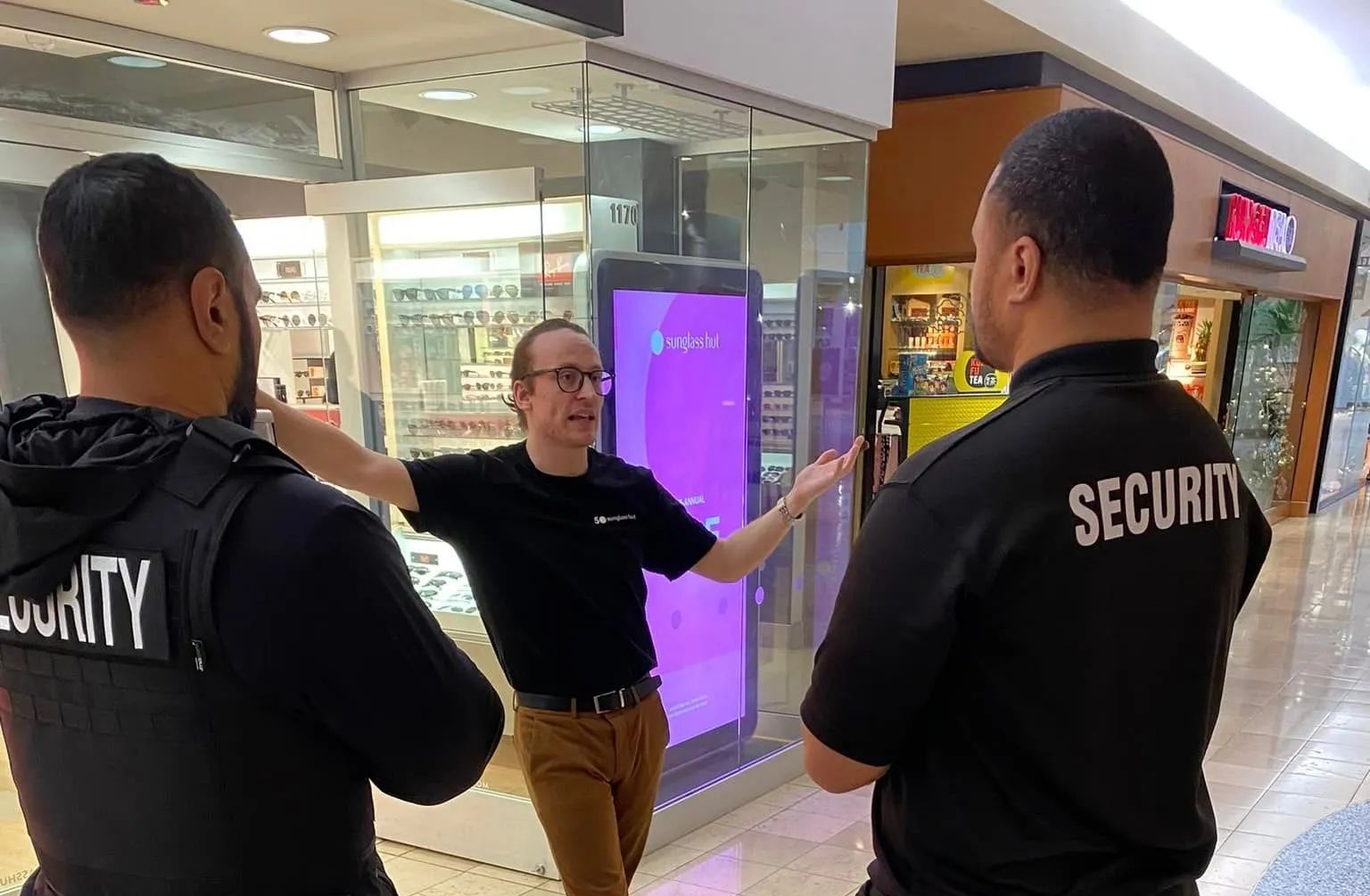
Effective security depends heavily on communication. Guards must communicate clearly with store management, employees, customers, and emergency responders when necessary.
Strong communication practices allow issues to be identified and addressed before they escalate into larger problems.
Review Incident Reporting Procedures
Accurate documentation supports investigations, insurance claims, and operational improvements. Ask prospective providers how incidents are reported and what information is included in reports.
Professional reporting should document:
- Date and time of incidents
- Individuals involved
- Actions taken
- Witness information
- Supporting evidence
- Follow-up recommendations
Detailed reports create accountability and help identify recurring security concerns.
Technology Compatibility
Modern retail security often combines physical personnel with technology solutions. Security guards should be comfortable working alongside:
- CCTV systems
- Access control platforms
- Alarm systems
- Mobile patrol applications
- Digital reporting software
- Communication platforms
When security personnel understand how to leverage technology, stores gain improved visibility and stronger overall protection.
Real-Time Updates and Monitoring
Many providers now offer real-time reporting tools that allow store managers to receive updates immediately following incidents or patrol activities. This transparency improves situational awareness and strengthens decision-making.
Consider Reliability, Staffing Quality, and Customer Service
Evaluate Hiring Standards
The effectiveness of any security program depends largely on the quality of personnel assigned to the site. Understanding how guards are recruited and screened provides valuable insight into service quality.
Reliable providers typically conduct:
- Criminal background checks
- Employment verification
- Reference checks
- Drug testing
- Professional interviews
Thorough screening helps ensure guards possess the integrity and professionalism required for retail environments.
Consistency of Staffing
Frequent guard turnover can create security vulnerabilities and operational disruptions. Guards who regularly work the same location become familiar with store layouts, employees, customer patterns, and potential risks.
Consistency often leads to stronger relationships, improved awareness, and faster response times.
Customer-Focused Security
Retail security extends beyond crime prevention. Guards often serve as the first point of contact for customers entering a store.
Professional security personnel can:
- Provide directions
- Assist customers
- Answer basic questions
- Support emergency situations
- Maintain a welcoming presence
Balancing security responsibilities with customer service contributes positively to the overall shopping experience.
Measure Responsiveness
Security providers should respond promptly to concerns, schedule adjustments, staffing requests, and incident follow-ups. Strong responsiveness demonstrates commitment and reliability.
A provider that communicates openly and addresses issues quickly often becomes a valuable long-term business partner.
Compare Service Value Instead of Price Alone
Understand the True Cost of Security
Many retailers focus heavily on hourly rates when evaluating providers. While budget considerations matter, selecting the lowest-priced option can create significant risks.
Inexperienced guards, insufficient training, inadequate supervision, and poor communication may result in:
- Increased theft losses
- Higher liability exposure
- Reduced customer confidence
- Operational disruptions
- Negative brand perception
The financial impact of poor security often exceeds any short-term savings.
Evaluate Overall Value
A strong retail security provider delivers value through prevention, professionalism, and risk reduction. Consider factors such as:
Supervision and Management
Well-supervised guards perform more consistently and remain accountable for their responsibilities.
Customized Security Plans
Every retail environment has different requirements. Providers should tailor services rather than relying on generic approaches.
Performance Measurement
Reliable companies track performance metrics and continuously evaluate service quality.
Partnership Approach
The best providers view security as an ongoing collaboration rather than a transactional service.
Real-World Example
Consider two retail stores operating in similar markets. One hires a low-cost provider with minimal training and high turnover. The other invests in experienced retail security personnel supported by strong management and reporting systems.
Over time, the second store experiences fewer theft incidents, stronger employee confidence, improved customer perceptions, and reduced operational disruptions. The higher initial investment often delivers greater long-term returns through loss prevention and risk reduction.
Proven Retail Protection from Experienced Security Professionals
When retailers need dependable protection, Elite Protection Services provides professional security guard services designed to address the evolving challenges facing modern retail environments. Serving businesses throughout Beaverton, Oregon, we bring more than 20 years of industry experience to every assignment. Our approach focuses on creating safer shopping environments, reducing loss, supporting employees, and helping businesses maintain daily operations with confidence.
Through professional staffing, ongoing training, detailed reporting, and responsive communication, we provide security solutions that align with the goals of retail businesses. Our commitment to professionalism, accountability, and service excellence has earned the trust of businesses seeking reliable protection. Whether supporting a single storefront or a larger retail operation, we remain dedicated to delivering the high standard of security service that retailers expect and deserve.