Uniformed Guards vs. Camera Systems: Which Retail Security Approach Actually Works?
Retail security has become a growing concern for businesses of all sizes. Rising incidents of shoplifting, organized retail crime, employee theft, vandalism, and after-hours break-ins have increased pressure on store owners to strengthen their security strategies. Modern retailers face the challenge of protecting merchandise, employees, customers, and assets while maintaining a welcoming shopping environment. As security threats continue to evolve, many business owners find themselves comparing two of the most common solutions: uniformed security guards and surveillance camera systems. Both options offer distinct advantages, but understanding which approach delivers the best results requires a closer examination of how each performs in real-world retail environments.
The debate between physical security personnel and technology-driven surveillance is not simply about cost or convenience. It is about prevention, response, visibility, accountability, and overall risk management. Some retailers rely heavily on cameras to monitor activity and gather evidence, while others invest in uniformed guards to provide an immediate on-site presence. The reality is that each solution serves a different purpose within a comprehensive security program. Understanding their strengths, limitations, and ideal applications can help retailers make informed decisions that support business continuity, reduce losses, and create a safer experience for employees and customers alike.
Understanding the Role of Uniformed Security Guards
Visible Deterrence That Influences Behavior
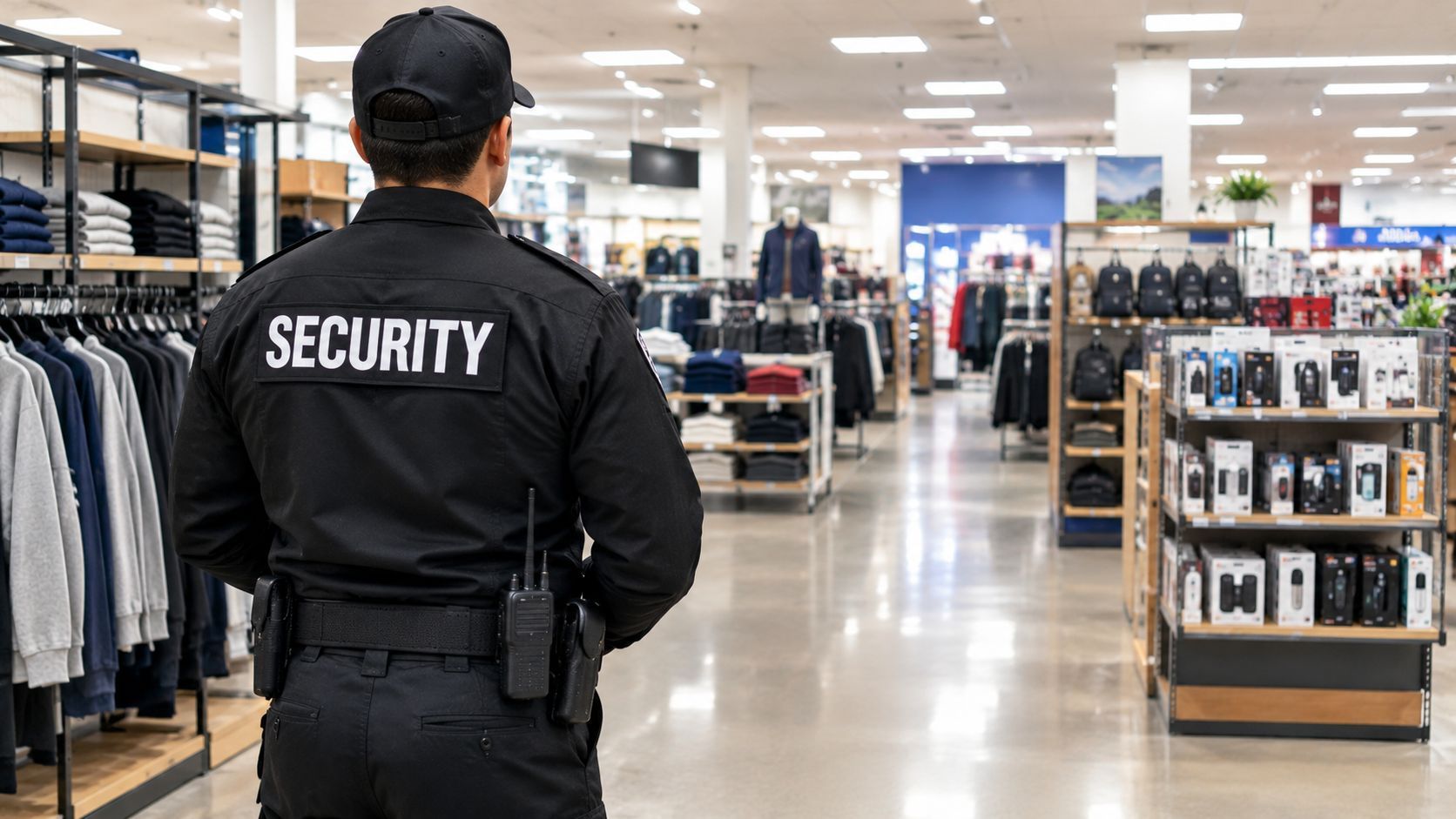
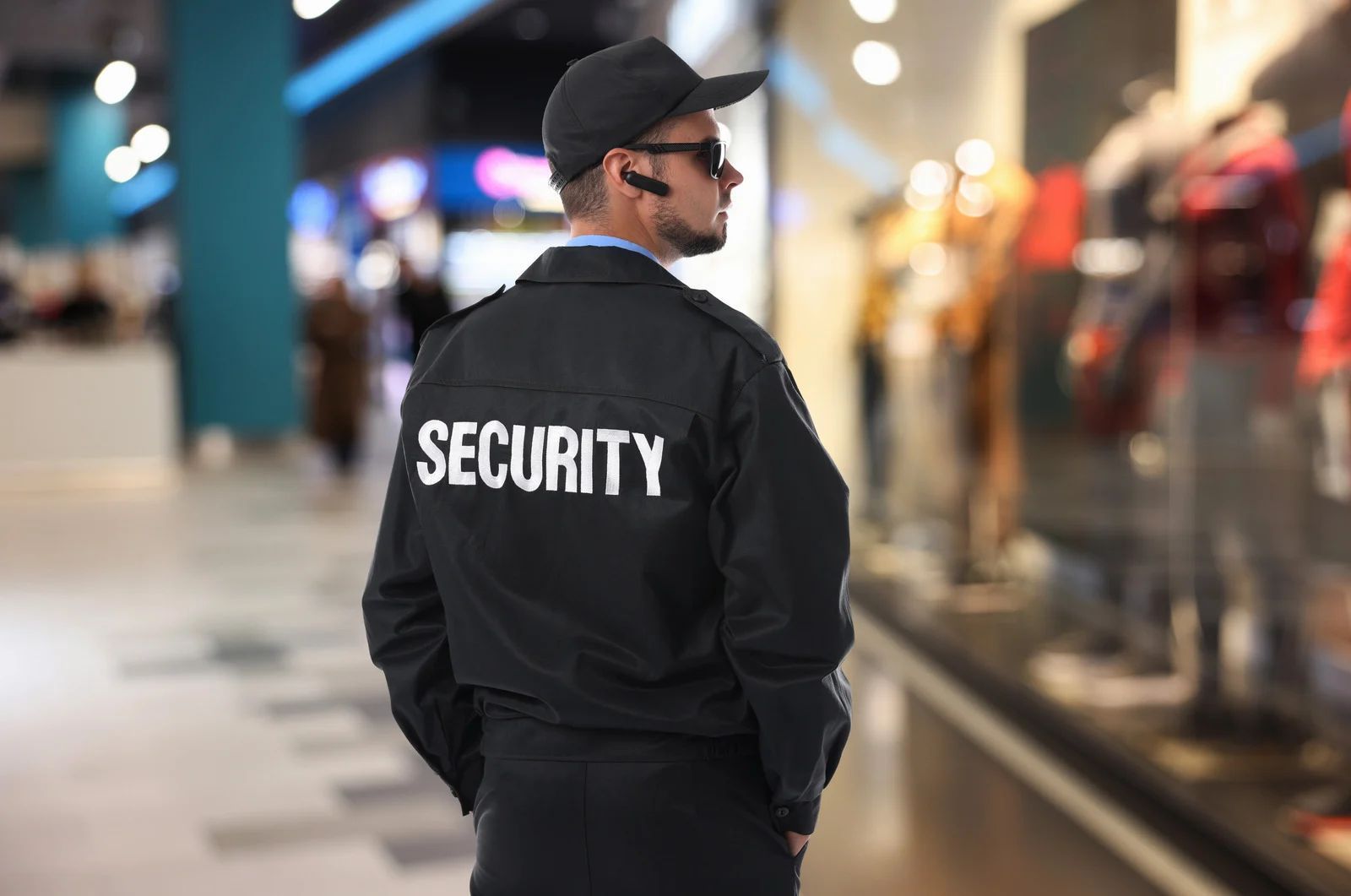
One of the strongest advantages of uniformed security guards is their ability to deter criminal activity before it occurs. The visible presence of a trained security professional often discourages potential shoplifters, vandals, and disruptive individuals from targeting a store. Unlike cameras, which passively observe events, guards create an active security presence that immediately influences customer behavior.
In many retail environments, individuals looking for easy opportunities to steal or cause disruptions are more likely to avoid locations where security personnel are clearly visible. The psychological impact of being observed by a professional can significantly reduce opportunistic crimes.
Immediate Response to Incidents
When security incidents occur, uniformed guards can respond in real time. Whether addressing suspicious behavior, assisting with customer disputes, handling emergencies, or contacting law enforcement, guards provide an immediate layer of protection.
For example, if a shoplifting attempt occurs, a guard may intervene before merchandise leaves the store. In contrast, cameras typically record the event but do not stop it from happening.
Customer Service and Safety Support
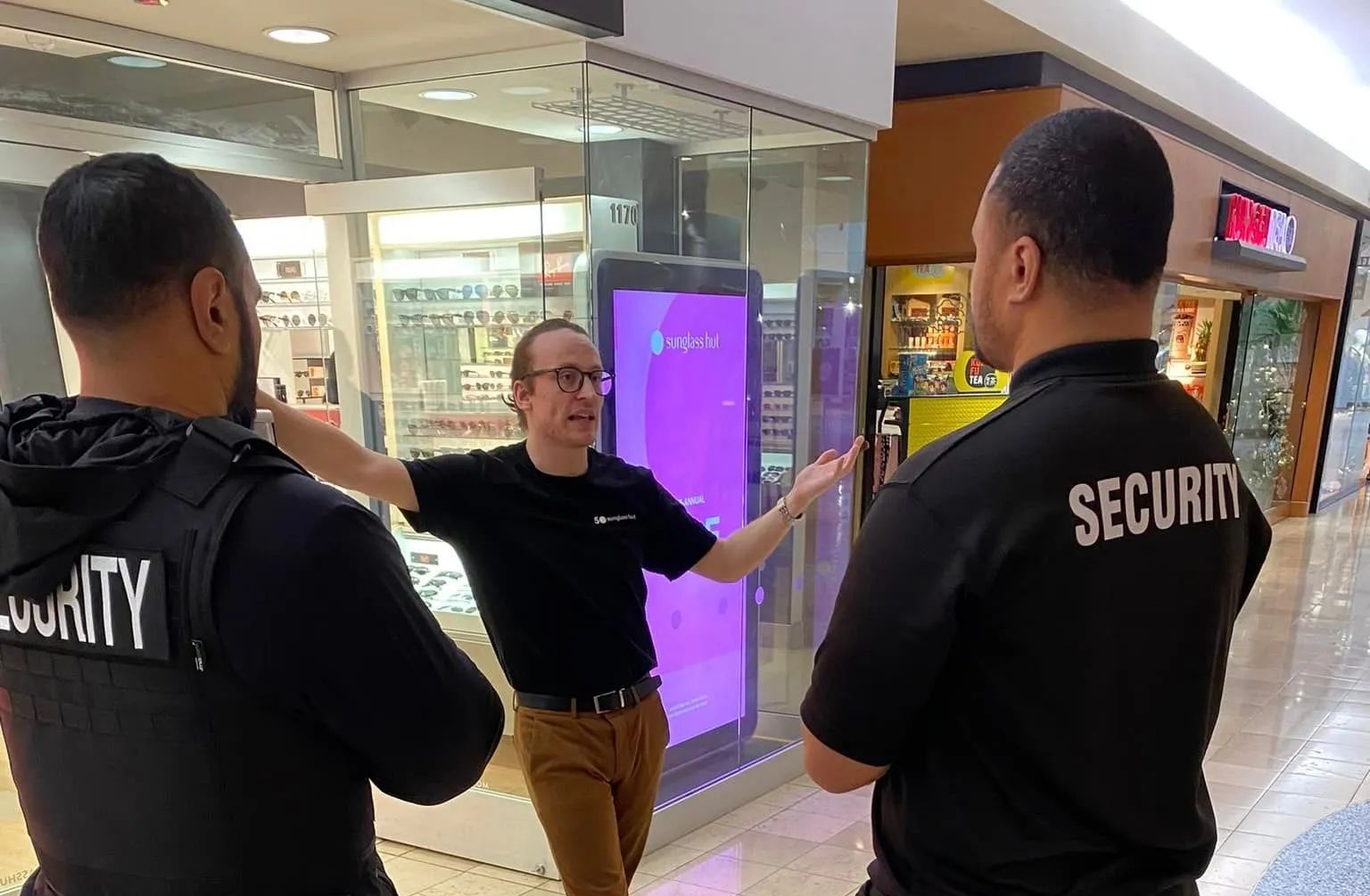
Retail security extends beyond crime prevention. Guards frequently assist customers by providing directions, escorting employees to vehicles after closing hours, responding to medical emergencies, and helping maintain order during busy periods.
This dual role contributes to both security and customer satisfaction, creating value that extends beyond loss prevention.
Evaluating the Effectiveness of Camera Systems
Continuous Surveillance and Coverage
Modern surveillance systems provide continuous monitoring of retail spaces. Cameras can cover entrances, exits, aisles, stockrooms, parking lots, and cash registers simultaneously. This broad visibility allows retailers to monitor large areas without requiring multiple personnel.
Advanced systems can operate twenty-four hours a day, seven days a week, ensuring that activity is documented even when stores are closed. This level of uninterrupted observation provides valuable protection against after-hours crimes.
Evidence Collection and Investigation Support
One of the greatest strengths of camera systems is their ability to capture evidence. High-definition video footage can help identify suspects, verify incidents, investigate internal theft, and support insurance claims.
When disputes arise involving customers, employees, or vendors, recorded footage provides objective documentation that can clarify events and reduce uncertainty. Many retailers consider surveillance footage an essential component of risk management and legal protection.
Technological Advancements in Surveillance
Today's security cameras offer features far beyond simple recording. Artificial intelligence, motion detection, facial recognition capabilities, remote monitoring, and analytics tools allow retailers to identify unusual behavior and receive alerts when suspicious activity occurs.
These technological advancements enhance security awareness while providing management teams with valuable operational insights.
Comparing Crime Prevention Capabilities
Preventing Theft Before It Happens
The primary objective of retail security is preventing losses before they occur. When evaluating prevention capabilities, uniformed guards generally hold a significant advantage.
A visible guard creates an immediate deterrent that criminals can see and evaluate. The possibility of direct intervention often causes individuals to reconsider illegal behavior before acting. Cameras, while visible, are generally perceived as observation tools rather than intervention tools.
Consider a scenario involving a potential shoplifter entering a retail store. The presence of a uniformed guard near the entrance may discourage the individual from attempting theft altogether. A camera positioned above the entrance records activity but does not actively influence decisions to the same degree.
Addressing Organized Retail Crime
Organized retail crime groups often conduct surveillance of potential targets before committing theft. These groups typically assess security measures and look for vulnerabilities.
Uniformed guards introduce unpredictability because trained personnel can observe behavior, conduct patrols, communicate with staff, and adjust responses based on circumstances. Cameras provide valuable monitoring but may not create the same level of uncertainty for organized offenders.
Employee Theft Considerations
Internal theft remains a significant challenge for many retailers. Camera systems often excel in this area because they can continuously monitor cash handling, inventory management, and restricted areas.
Employees may become accustomed to the presence of guards in customer-facing areas, while surveillance systems can provide broader visibility into operational activities throughout the facility.
Cost, Scalability, and Operational Considerations
Understanding Security Investment
Budget considerations play an important role in security planning. Camera systems typically involve upfront installation costs, equipment purchases, software subscriptions, maintenance, and periodic upgrades.
Uniformed guards require ongoing staffing expenses that include wages, training, supervision, scheduling, and administrative support. Over time, personnel costs may exceed the investment required for surveillance equipment.
However, focusing solely on cost can create an incomplete picture. Retailers must evaluate the value provided by each solution rather than comparing expenses alone.
Scalability Across Multiple Locations
Retail chains operating multiple stores often find camera systems easier to scale. Centralized monitoring platforms allow management teams to oversee several locations from a single control center.
Surveillance footage can be reviewed remotely, and alerts can be monitored across large geographic regions. Expanding coverage typically involves installing additional equipment rather than hiring large numbers of personnel.
Human Judgment Versus Automated Monitoring
While technology continues to improve, cameras cannot fully replicate human judgment. Guards can assess body language, identify escalating situations, communicate with individuals, and adapt to changing circumstances.
For example, a camera may detect movement in a restricted area, but a security professional can determine whether the activity represents a legitimate concern or an authorized action. This ability to evaluate context remains one of the strongest advantages of human security personnel.
Why the Best Retail Security Strategy Combines Both
Building a Layered Security Approach
The most effective retail security programs rarely rely on a single solution. Instead, successful retailers implement layered security strategies that combine physical personnel with surveillance technology.
Uniformed guards provide deterrence, customer interaction, incident response, and on-site decision-making. Camera systems provide documentation, broad visibility, remote monitoring, and investigative support.
Together, these tools create complementary layers of protection that address a wider range of risks than either solution can manage independently.
Real-World Example of Integrated Security
Consider a large retail store experiencing recurring theft incidents. Cameras identify patterns and highlight areas where losses occur most frequently. Security guards use this information to increase patrols and focus attention on high-risk locations.
If suspicious activity occurs, cameras document events while guards intervene immediately. Management gains both preventative capabilities and investigative resources.
This coordinated approach strengthens overall security while maximizing the value of each investment.
Best Practices for Retailers
Retailers seeking stronger security outcomes should consider several best practices:
- Conduct regular security assessments.
- Identify high-risk areas and vulnerable assets.
- Combine visible security measures with surveillance technology.
- Train employees to recognize suspicious behavior.
- Establish clear incident response procedures.
- Review surveillance footage regularly.
- Evaluate security performance through measurable metrics.
These practices help create a proactive security culture that supports long-term loss prevention goals.
Experienced Security Professionals Protecting Retail Operations
When retail businesses need dependable protection, Elite Protection Services provides the expertise and professionalism necessary to address today's evolving security challenges. As a leading Security Guard Service in Beaverton, Oregon, we bring more than 20 years of industry experience helping businesses strengthen security, reduce loss, and create safer environments for employees and customers. Our approach recognizes that effective retail security requires more than simply placing personnel on-site. We focus on understanding each client's operational needs, risk profile, customer traffic patterns, and security objectives before developing customized protection strategies.
We understand the important role that
trained uniformed guards
play alongside modern surveillance technologies. Our security professionals are prepared to deter criminal activity, monitor property conditions, respond to incidents, support customer safety, and help maintain a secure retail environment. Through ongoing training, professional standards, and a commitment to service excellence, we provide security solutions designed to support business continuity and asset protection. Whether protecting a single retail location or supporting larger commercial operations, we remain committed to delivering reliable security services that businesses can trust. Our experience, dedication, and client-focused approach continue to make us a trusted resource for retail security throughout the region.