Why Retail Theft Is Rising and What Store Owners Can Do About It?
Retail theft has become one of the most pressing challenges facing store owners across a wide range of industries. From small independent retailers to large commercial chains, businesses are experiencing increasing losses caused by shoplifting, organized retail crime, employee theft, and fraudulent return schemes. The financial impact extends far beyond the value of stolen merchandise. Retail theft contributes to higher operating costs, reduced profitability, inventory discrepancies, safety concerns, and disruptions to daily business operations. As consumer behavior evolves and economic pressures continue to affect communities, many retailers are finding that traditional loss prevention methods are no longer sufficient to address modern theft risks.
The rise in retail theft has forced business owners to rethink how they protect their stores, employees, customers, and assets. Criminal activity has become more sophisticated, with organized groups often targeting multiple locations and exploiting security vulnerabilities. At the same time, retailers must balance security measures with providing a welcoming shopping experience. Understanding why retail theft is increasing and identifying practical prevention strategies are essential for maintaining business stability. By combining proactive security planning, employee awareness, technology, and professional protection measures, store owners can significantly reduce risks and create a safer environment that supports long-term business success.
Understanding the Factors Behind Rising Retail Theft
Economic Pressures and Financial Challenges
Economic uncertainty often contributes to increases in property-related crimes, including retail theft. Inflation, rising living expenses, unemployment concerns, and financial hardship can create circumstances where some individuals turn to theft as a means of obtaining goods or generating income. While economic factors alone do not explain all theft incidents, they remain an important influence on retail crime trends.
Retailers frequently notice increases in theft involving everyday household products, personal care items, food products, and consumer electronics during periods of economic strain. These items can often be resold quickly, making them attractive targets for theft.
Growth of Organized Retail Crime
One of the most concerning developments is the growth of organized retail crime networks. Unlike opportunistic shoplifting, organized retail crime involves coordinated groups targeting multiple stores to steal large quantities of merchandise for resale.
These groups often use sophisticated methods, including distraction tactics, coordinated entry and exit strategies, and online marketplaces for distributing stolen goods. Organized theft can result in substantial losses within a short period, making it a major concern for retailers of all sizes.
Increased Opportunities Through Self-Service Shopping
Modern retail environments often emphasize convenience and customer accessibility. Open layouts, self-checkout systems, and reduced staffing levels can improve the shopping experience but may also create opportunities for theft.
When monitoring capabilities fail to keep pace with operational changes, individuals may perceive a lower risk of detection. This perception can encourage both opportunistic theft and more deliberate criminal activity.
Common Types of Retail Theft Store Owners Face
Shoplifting and Concealment Theft
Traditional shoplifting remains one of the most common forms of retail theft. Individuals may conceal merchandise in bags, clothing, or personal belongings before leaving the store without payment.
Although many shoplifting incidents involve relatively small amounts, repeated occurrences can accumulate into significant losses over time. High-value merchandise and easily concealed products often face the greatest risk.
Warning Signs to Monitor
Store owners and employees should remain alert for behaviors such as:
- Frequent movement between aisles without making purchases
- Excessive attention to security camera locations
- Large bags, oversized clothing, or unusual concealment methods
- Groups attempting to distract staff members
- Individuals repeatedly visiting high-theft product areas
Early recognition of suspicious behavior allows employees to respond appropriately while maintaining professionalism.
Employee Theft and Internal Shrinkage
External theft is not the only source of retail losses. Employee theft remains a significant contributor to inventory shrinkage in many businesses.
Internal theft can involve unauthorized discounts, cash register manipulation, inventory theft, fraudulent refunds, or collusion with external offenders. Because employees often understand store procedures and security systems, internal theft may be difficult to detect without proper controls.
Reducing Internal Theft Risks
Retailers can reduce internal theft through:
- Thorough background screening
- Clear workplace policies
- Regular inventory audits
- Transaction monitoring
- Separation of responsibilities
- Ongoing employee accountability programs
Creating a culture of transparency and accountability helps discourage dishonest behavior while supporting ethical workplace practices.
Return Fraud and Refund Abuse
Return fraud has become increasingly common in retail environments. Offenders may use stolen merchandise, counterfeit receipts, receipt manipulation, or product switching to obtain refunds or store credit.
These schemes can create substantial financial losses while complicating inventory management processes. Clear return policies and verification procedures help reduce vulnerability to refund-related fraud.
Building a Strong Retail Theft Prevention Strategy
Employee Training as the First Line of Defense
Employees play a critical role in preventing theft. Well-trained staff members are often the first to notice suspicious activity and can serve as a visible deterrent to potential offenders.
Training programs should cover:
- Customer service techniques
- Suspicious behavior recognition
- Incident reporting procedures
- Emergency response protocols
- Safe interaction guidelines
Many retailers find that attentive customer engagement alone can discourage theft attempts. A simple greeting or offer of assistance communicates awareness and reduces anonymity for potential offenders.
Creating Security Awareness Culture
Security should not be viewed as the responsibility of management alone. Every employee should understand their role in maintaining a safe environment.
Regular meetings, policy reviews, and communication updates help reinforce security expectations and encourage staff participation in loss prevention efforts.
Store Layout and Environmental Design
The physical design of a retail space can significantly influence theft risks. Strategic store layouts improve visibility and reduce opportunities for concealment.
Important design considerations include:
- Clear sightlines throughout the sales floor
- Proper lighting in all areas
- Organized merchandise displays
- Secure high-value product placement
- Controlled access to stockrooms
- Visible customer service stations
Retailers should regularly evaluate store layouts to identify blind spots and areas where theft could occur unnoticed.
Inventory Control and Auditing Procedures
Accurate inventory management provides valuable insight into theft-related losses. Regular audits help identify discrepancies before they become major problems.
Best practices include:
- Routine cycle counts
- Inventory tracking software
- Receiving and shipping verification
- Loss trend analysis
- Exception reporting systems
When inventory discrepancies are identified early, retailers can investigate causes and implement corrective measures before losses escalate.
Leveraging Security Technology to Reduce Theft
Surveillance Systems and Video Monitoring
Modern surveillance technology remains one of the most effective tools for retail theft prevention. High-definition security cameras provide visibility throughout the store and support incident investigations.
Strategically placed cameras should monitor:
- Entrances and exits
- Checkout areas
- High-value merchandise sections
- Stockrooms
- Parking areas
- Loading zones
Visible surveillance systems also serve as deterrents by increasing perceived risk for potential offenders.
Benefits of Advanced Video Analytics
Many modern systems include intelligent analytics capable of detecting unusual behavior patterns, monitoring traffic flow, and identifying suspicious activity.
These tools help retailers improve situational awareness while providing valuable operational insights beyond security applications.
Electronic Article Surveillance Systems
Electronic article surveillance systems use security tags and detection sensors to alert staff when unpaid merchandise leaves the store.
These systems are commonly used in:
- Apparel stores
- Electronics retailers
- Department stores
- Specialty retail environments
When combined with employee awareness and proper response procedures, electronic article surveillance can significantly reduce merchandise losses.
Access Control and Alarm Systems
Retail environments contain areas that require restricted access, including stockrooms, cash handling locations, and administrative offices.
Access control systems help limit unauthorized entry while creating records of employee movement. Alarm systems provide additional protection during non-business hours and support rapid response to unauthorized activity.
The Role of Professional Security Services in Retail Protection
Visible Security Presence as a Deterrent
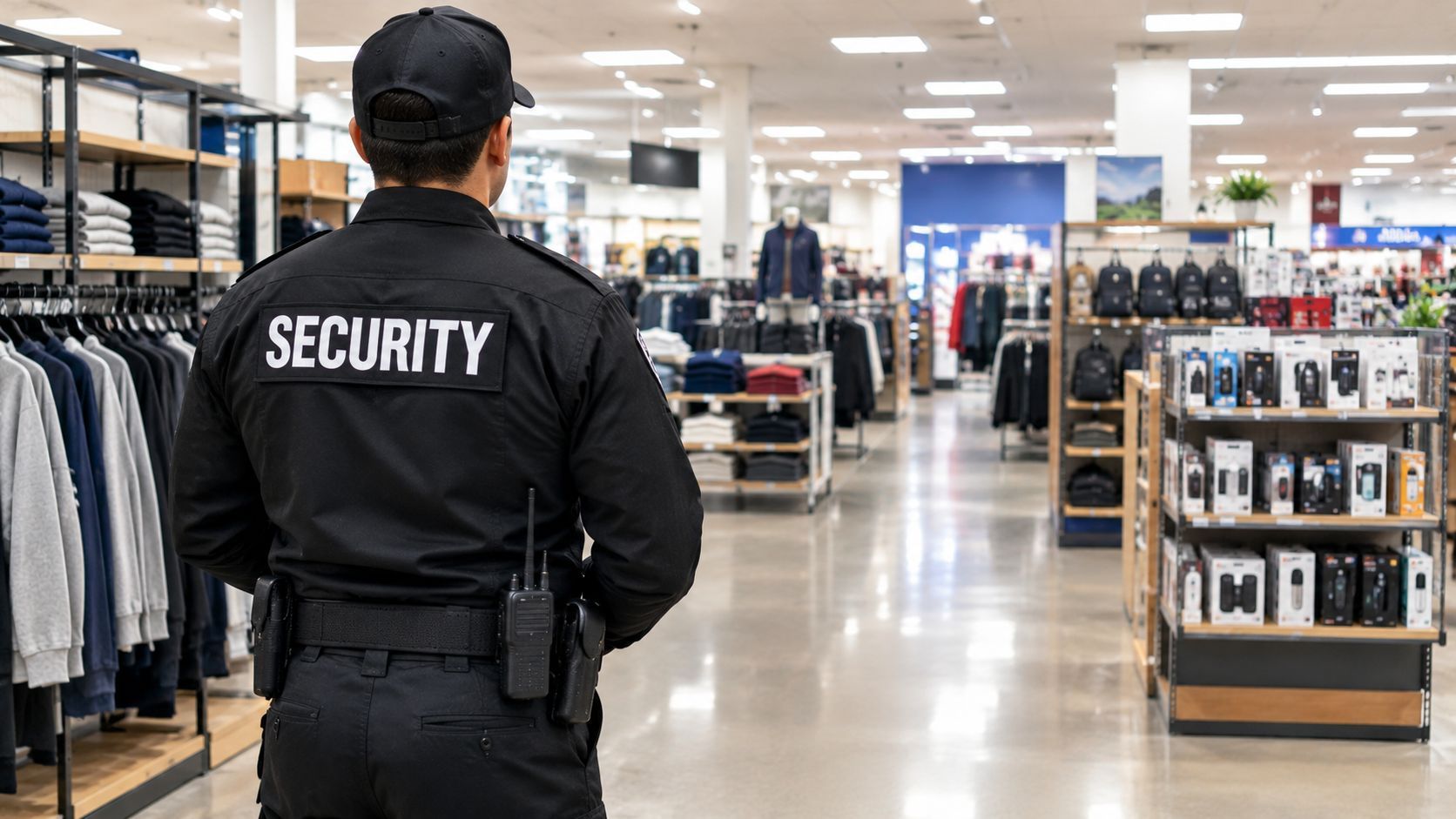
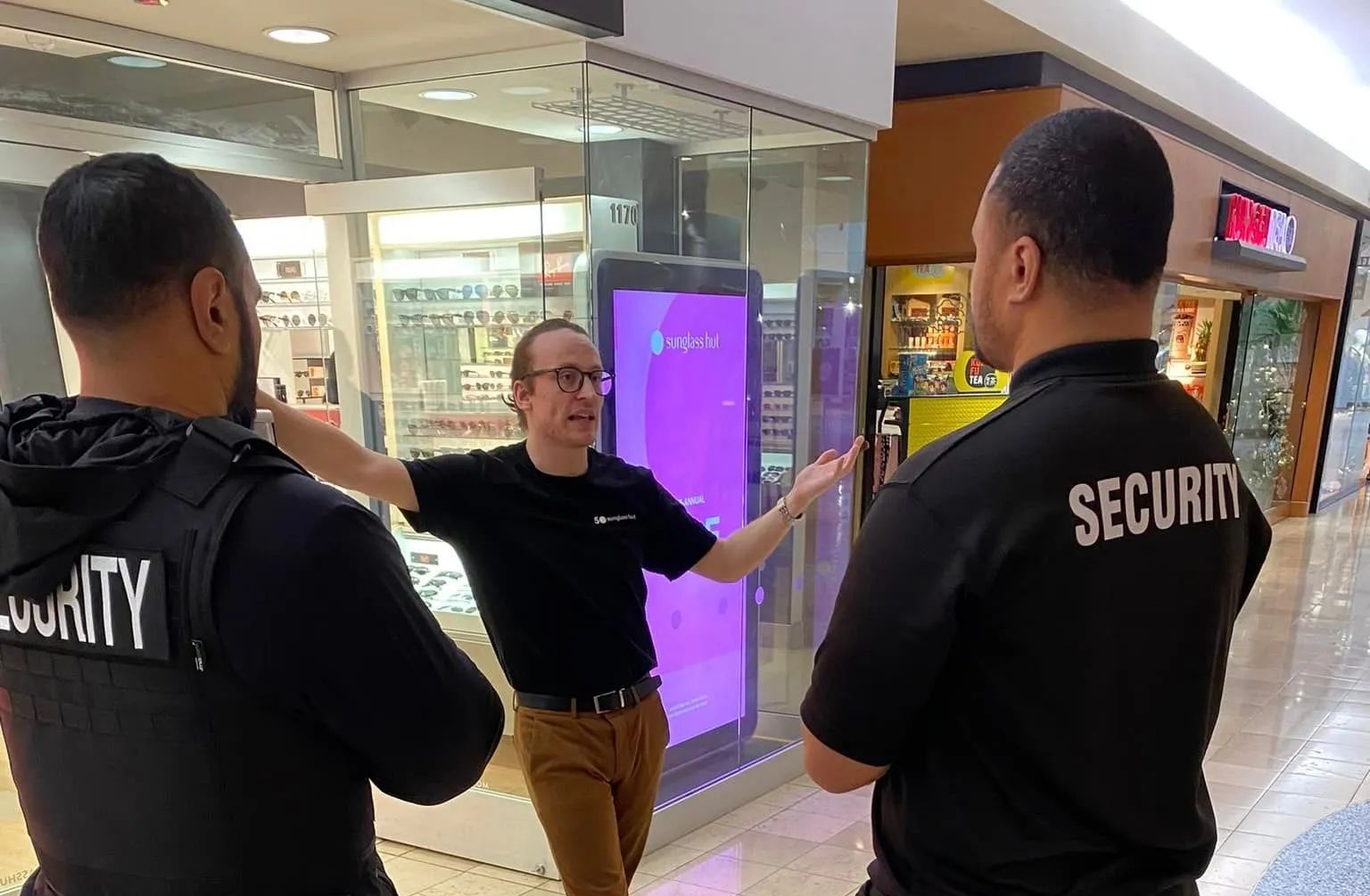
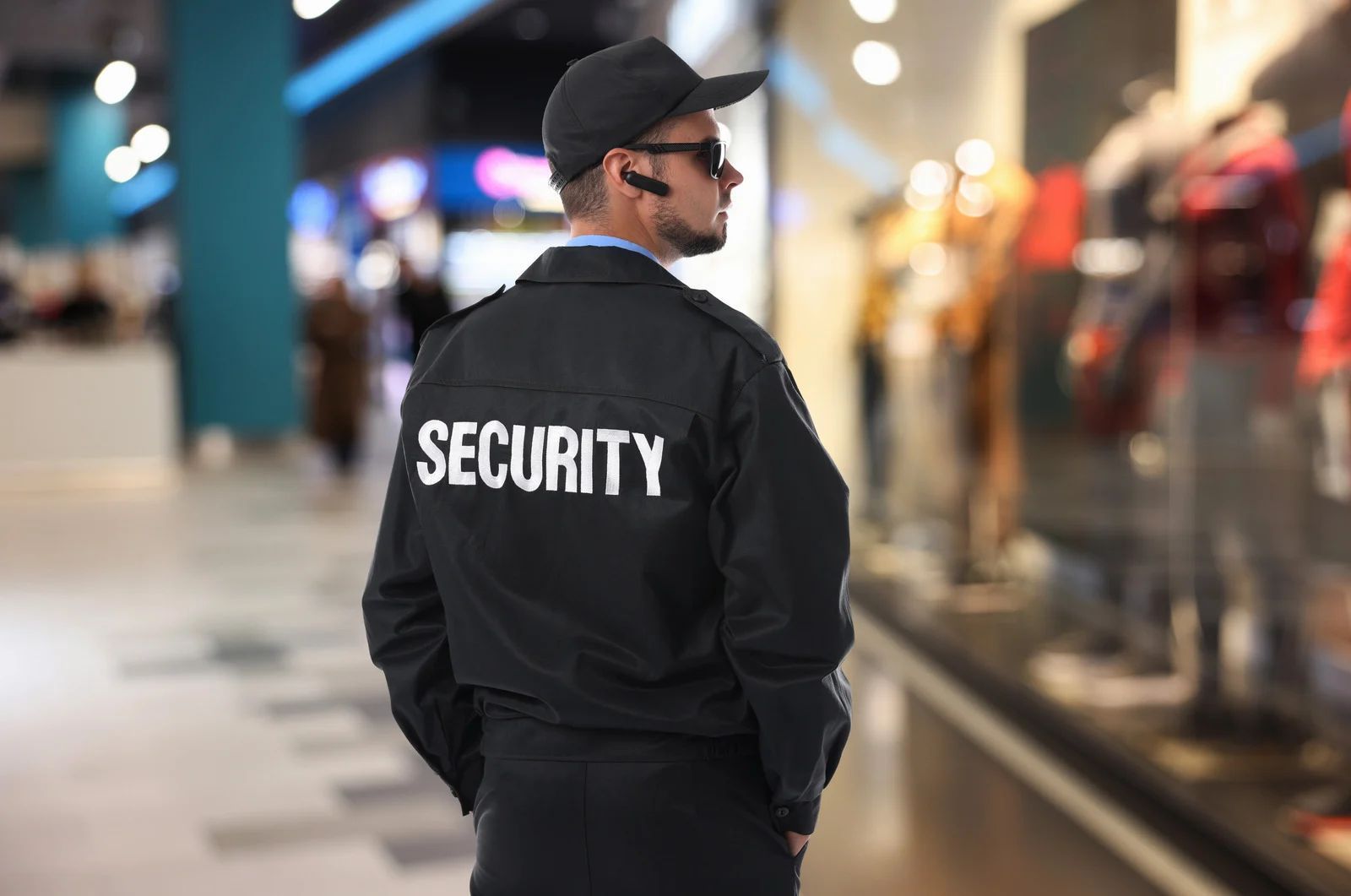
Professional security personnel provide an immediate and highly visible deterrent to theft and criminal activity. The presence of trained security officers can influence behavior by increasing the perceived likelihood of detection and intervention.
Retailers often find that visible security personnel help reduce:
- Shoplifting incidents
- Organized theft attempts
- Vandalism
- Trespassing
- Customer disturbances
A professional security presence also contributes to a safer shopping environment for customers and employees.
Incident Response and Loss Prevention Support
Security personnel can respond quickly to suspicious activity, investigate incidents, document events, and coordinate with law enforcement when necessary.
Their responsibilities may include:
- Monitoring customer activity
- Conducting patrols
- Managing access points
- Responding to emergencies
- Supporting theft investigations
- Maintaining detailed incident reports
These capabilities strengthen overall security operations while allowing retail staff to focus on customer service and business functions.
Supporting Employee and Customer Safety
Retail theft incidents can sometimes escalate into confrontations or safety concerns. Trained security professionals understand how to manage difficult situations while prioritizing safety and legal compliance.
Their presence helps create a secure atmosphere where employees can perform their duties confidently and customers can shop comfortably.
Professional Security Expertise for Retail Risk Reduction
Retail theft continues to present significant challenges for businesses, making proactive security measures more important than ever. Rising incidents of shoplifting, organized retail crime, employee theft, and fraud demonstrate the need for comprehensive prevention strategies that address both current and emerging risks. Store owners who invest in employee training, security technology, inventory controls, environmental design, and professional protection services place themselves in a stronger position to reduce losses and protect business operations. A well-planned security approach not only safeguards merchandise but also enhances customer confidence, employee safety, and overall operational stability.
For businesses seeking dependable security support, Elite Protection Services
stands as a trusted authority in the
security guard service
industry. Serving Beaverton, Oregon, with 20
years of experience, we provide professional security solutions designed to help retailers protect assets, deter criminal activity, and maintain safe environments for employees and customers. Our commitment to reliability, vigilance, and client-focused service allows businesses to operate with greater confidence while reducing exposure to theft-related risks and security concerns.